
Private Tours / Nature, Geology & Archaeology
Explore Israel through the land itself
Nature, Geology and Archaeology
Before Israel became a collection of borders, kingdoms and sacred places, it was a landscape. Desert cliffs, volcanic plateaus, ancient water systems, exposed rock layers and ruined cities tell a story that no political map can explain on its own.

What you may experience
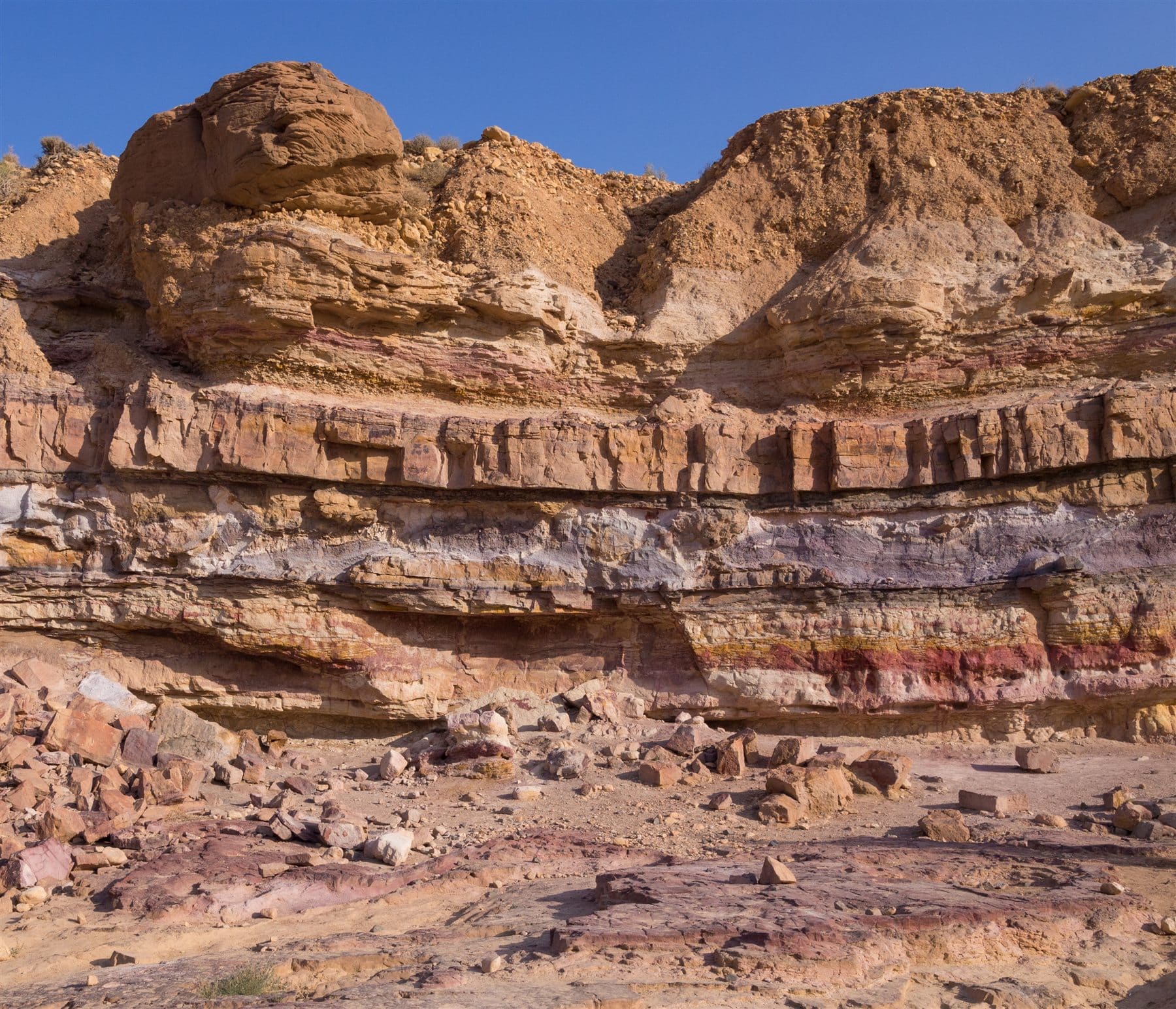
Read a desert as geological evidence
At Makhtesh Ramon or in the Judean Desert, layers of rock show vanished seas, uplift, erosion and a landscape still changing.
See how water created civilization
From desert cisterns to Jerusalem's City of David water tunnels, water systems reveal engineering, power and the limits of settlement.
Stand inside a fortified decision
At Masada, ancient city gates or hilltop ruins, architecture shows what rulers feared and what communities needed to survive.
Follow an ancient route
From the newly opened Pilgrimage Road in the City of David, just south of the Old City, to roads used by armies, traders and caravans, ancient routes connect archaeology with the movement of people across the region.
Compare text with physical evidence
Biblical, classical and later written sources become more interesting when the landscape supports, complicates or contradicts them.
See modern Israel through the same terrain
Agriculture, borders, roads and settlement still respond to the same water, elevation and distance that shaped earlier societies.
Why explore Israel this way
The landscape explains the history
A mountain ridge can explain a battle. A spring can explain a city. Geography turns isolated facts into one coherent story.
Archaeology becomes human
Ruins matter when they reveal a decision: where people stored water, how they defended a gate, why they abandoned a place.
Science gives the country another dimension
Geology, climate, ecology and water systems reveal an Israel that exists beyond religion and politics.
Recommended experiences
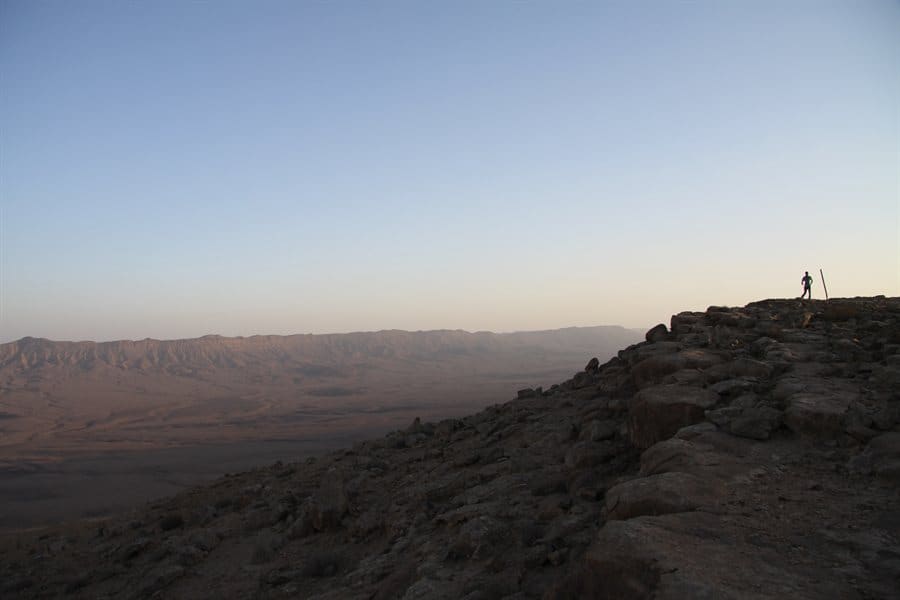
The Negev and Makhtesh Ramon
Geology, desert ecology, Nabataean trade and modern settlement in one of Israel's most dramatic landscapes.
Explore →
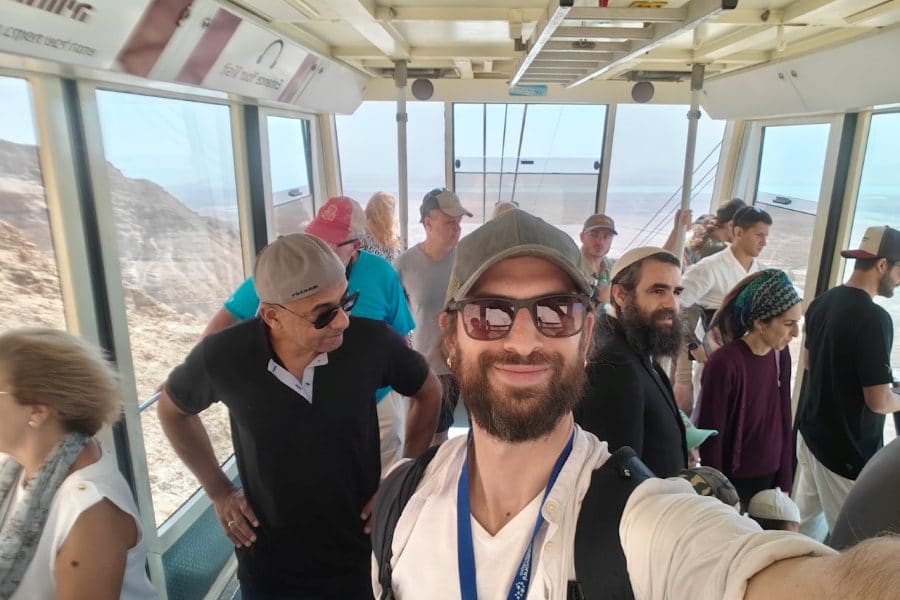
Masada and the Dead Sea
Herodian engineering, Roman siege archaeology, desert geography and the changing Dead Sea.
Explore →
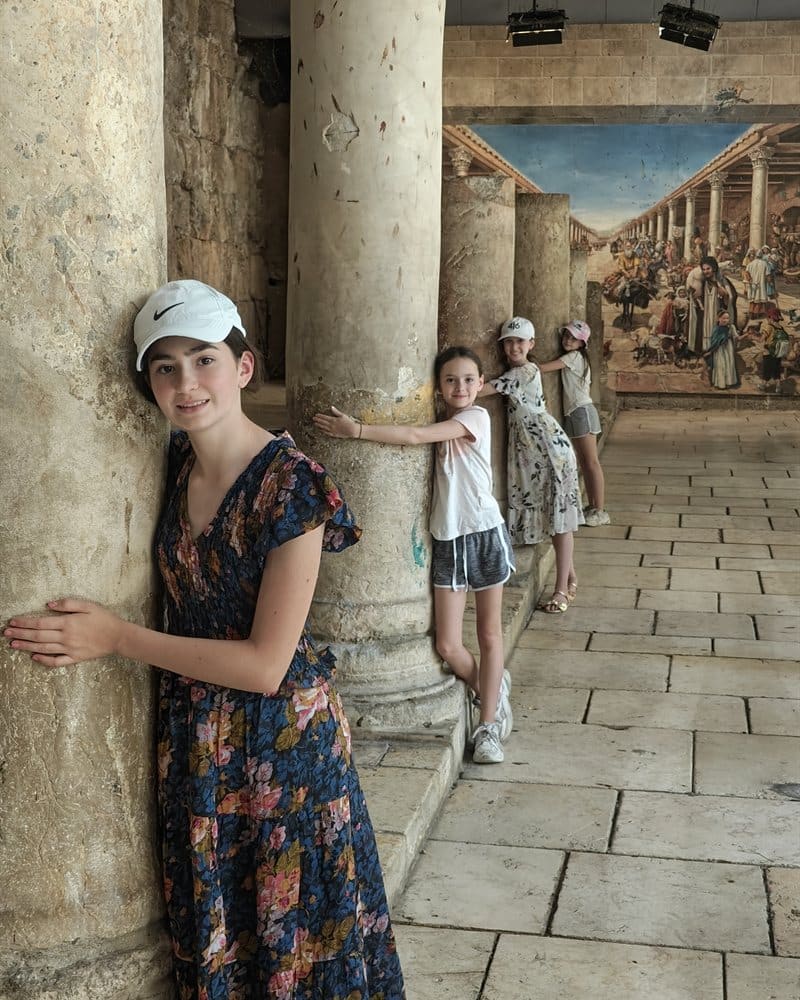
Jerusalem Through Archaeology
The ancient city, water systems, walls and the evidence beneath modern Jerusalem.
Explore →
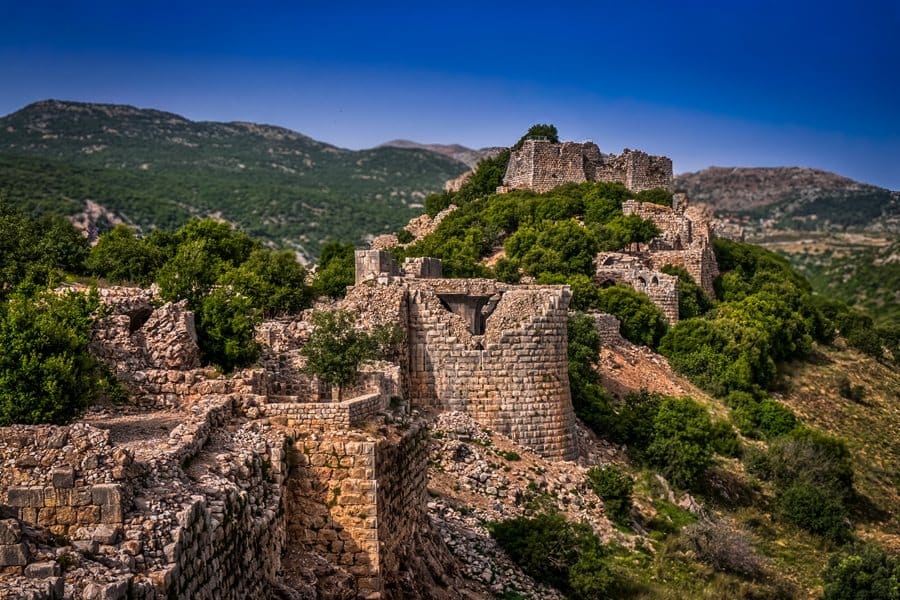
The Golan Heights
Volcanic geology, water, agriculture, ecology and the way elevation shapes borders.
Explore →
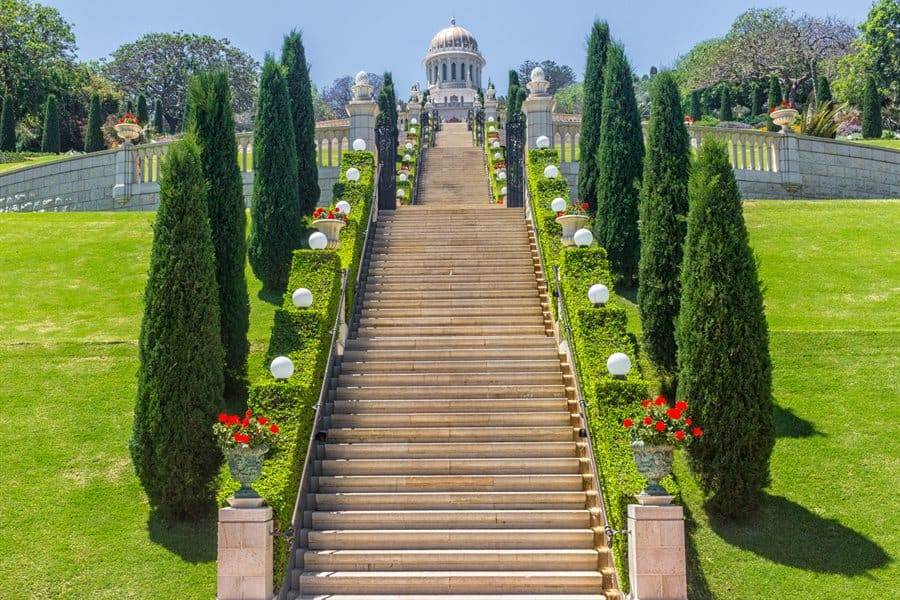
Haifa and Acre
Acre's buried Crusader city, Ottoman layers and the geography of the bay and port.
Explore →
Tzfat and the Galilee
Mountain geography, earthquakes, springs and settlement patterns alongside religious and cultural history.
Explore →
Who this is for
How Ari makes the material accessible: You do not need a background in geology or archaeology. Ari begins with what can be seen: the shape of a valley, the color of a rock, the direction of a wall or the location of a spring. The scientific explanation is introduced only when it helps the place become clearer. The goal is not a technical lecture — it is a way to read the landscape for yourself.
Good to know: These experiences can range from accessible viewpoints and archaeological parks to demanding hikes. Ari adapts the route to weather, heat, walking ability, children, transport and the amount of scientific depth the group wants.
Verified Google review
"I am an archaeologist and art historian and a very demanding client — and I can vouch for Ari 100%. He is delightful company with a wonderful sense of humour, very informative and a great story-teller, and very attentive to the needs and interests of his clients."
— V Thompson
Read more verified reviews →Frequently Asked Questions
Do I need scientific knowledge?
No. The explanations begin with visible evidence and use ordinary language. More technical depth can be added for interested groups.
Are these tours suitable for children?
Yes. Rocks, tunnels, water systems, animals and ancient engineering often give children a natural way into the history.
Can nature and religious history be combined?
Yes. The physical landscape often makes biblical and religious stories clearer. The balance is chosen according to the group.
Do these tours require hiking?
Not necessarily. Many major viewpoints and archaeological sites can be reached with limited walking, while hiking options are available for prepared groups.