
Private Tours / Jerusalem / Private full-day tour
What lies beneath the sacred city
Jerusalem Through Archaeology
Water, walls and the ancient city — Jerusalem becomes easier to understand when you begin with the ridge, the spring and the layers beneath the modern streets.
- 6–8 hours
- Non-denominational
- Water systems & walls
- English or Spanish

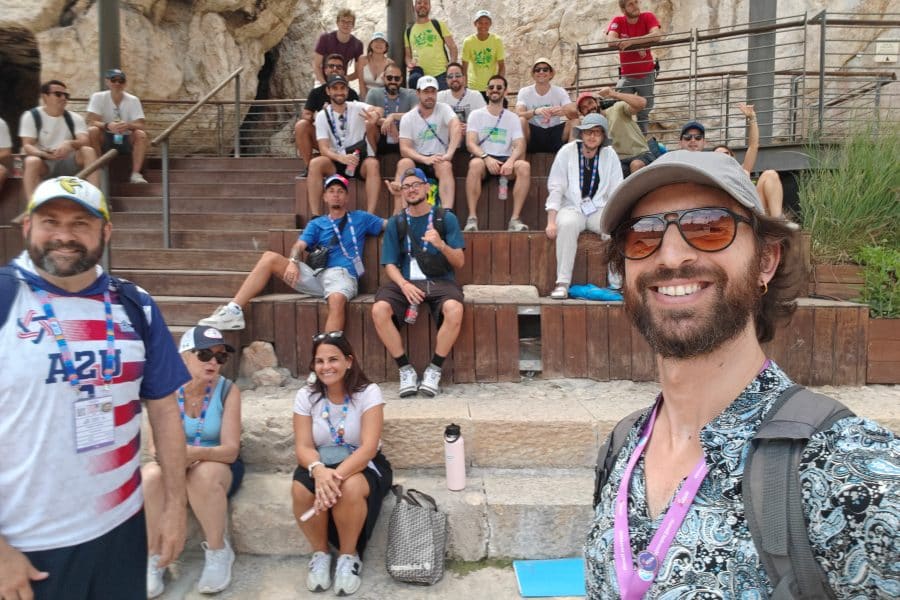
This private tour uses archaeology to reconstruct how a small hill-country settlement became a capital, pilgrimage center and contested sacred city. Jewish, Christian and Muslim histories appear within the same physical city, but the route begins with evidence rather than denomination.
Why this tour matters
Topography explains the first city
The ridge and water source reveal why ancient Jerusalem began where it did.
Urban layers reveal change
Walls, streets and reused buildings show how each period inherited and transformed the city.
Archaeology disciplines the story
Material evidence helps separate what is known, debated, traditional and still uncertain.
What the day may include
Ancient water systems
Understand springs, tunnels, pools and the engineering required for survival.
Fortifications and city growth
Follow how walls moved as Jerusalem expanded.
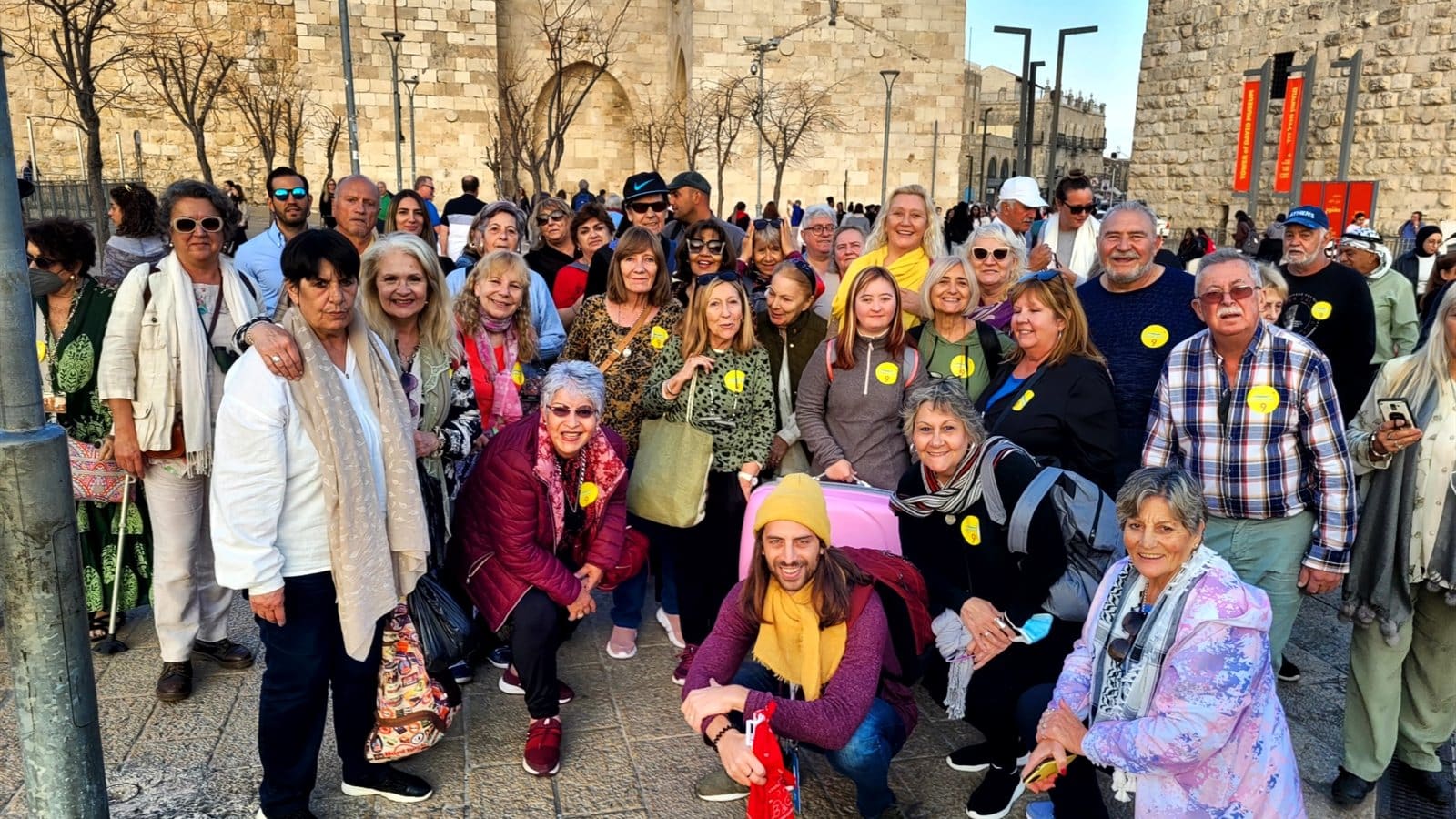
Second Temple streets and pilgrimage
Walk the newly opened Pilgrimage Road in the City of David, just south of the Old City, and read monumental building, commerce and ritual movement through archaeological remains.
Roman and Byzantine transformation
See how destruction and imperial rebuilding altered the city.
Islamic and Crusader layers
Trace new sacred geographies, institutions and urban forms.
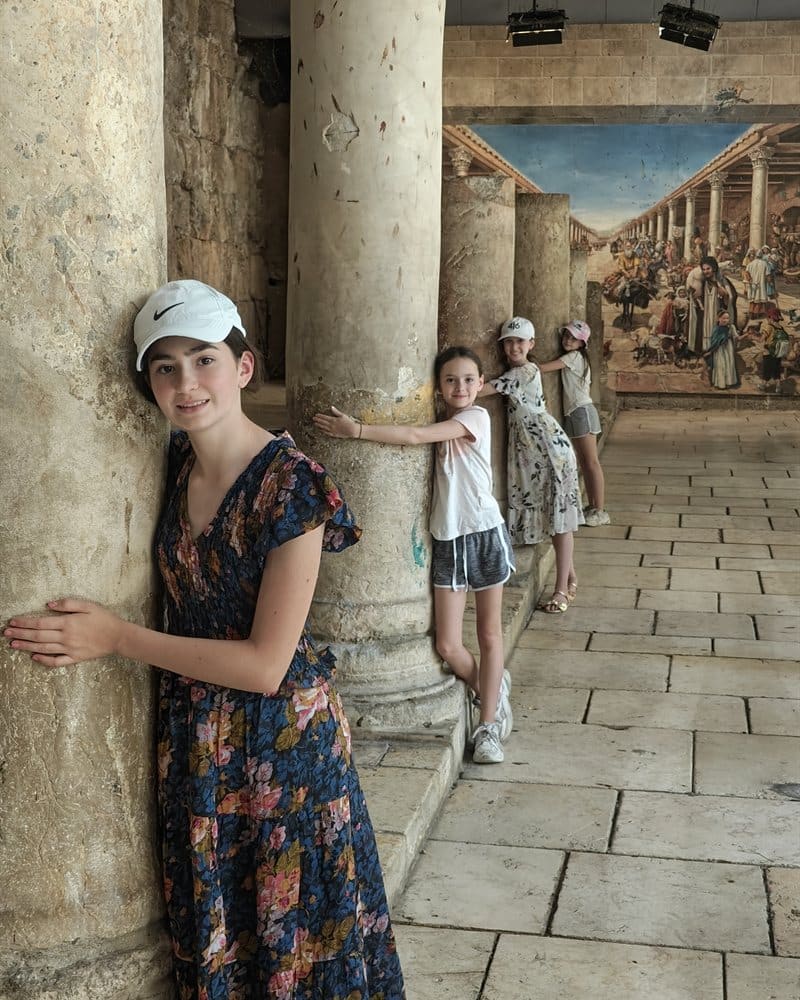
Modern archaeology and controversy
Discuss how excavation, identity, tourism and politics intersect today.
Who this is for
How Ari guides this subject: Ari explains what archaeologists found, how they date it, why interpretations differ and where political or religious claims exceed the evidence. He also keeps the human question visible: what did a wall, channel, street or house mean for the people who used it?
Good to know: The final route depends on excavation access, tickets, tunnel conditions, mobility, heat and current Old City logistics. Archaeological routes can involve stairs, uneven surfaces and enclosed spaces; alternatives can be offered.
Not sure the City of David fits your day? Read what you can actually see, and what's worth adding.
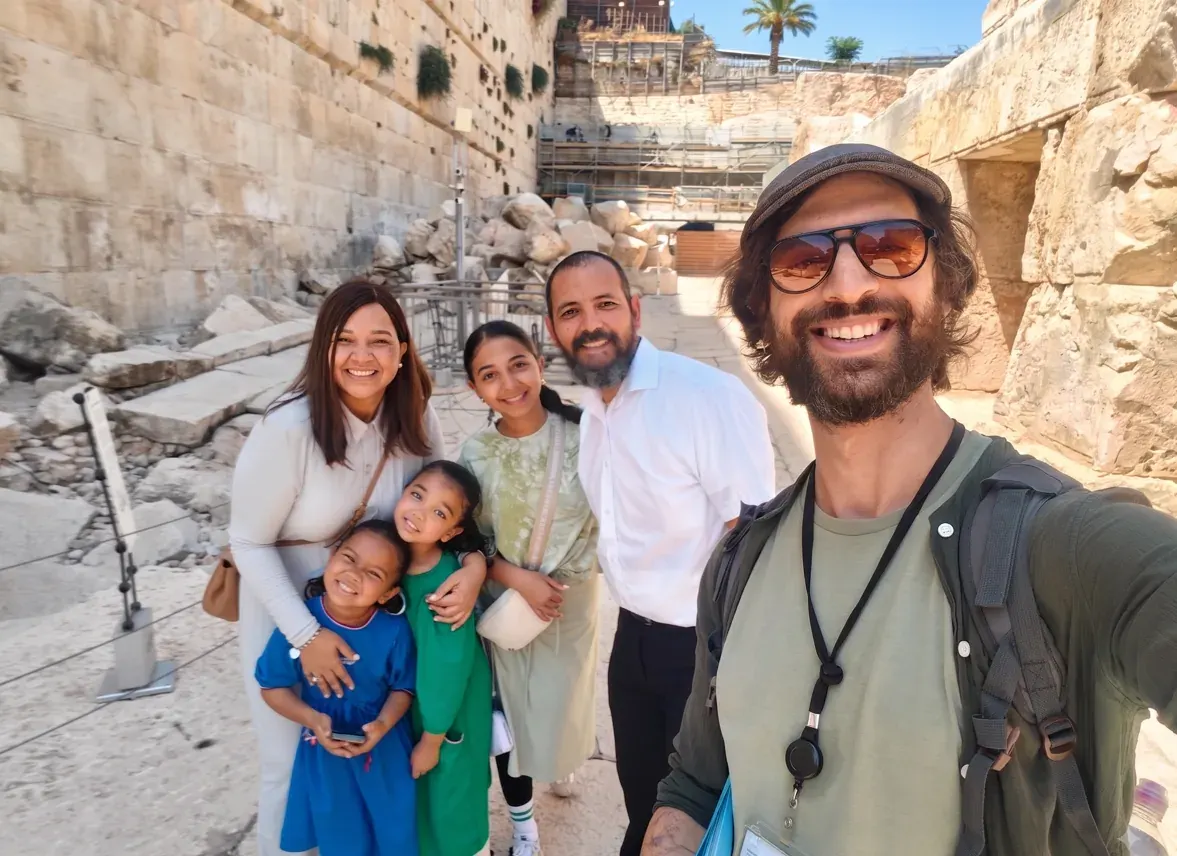
Verified Google review
"I had an excellent tour of Yerushalayim and the City of David. The experience was both fascinating and well organized, bringing thousands of years of history to life. The City of David was a particular highlight, with its impressive excavations and unique underground passages."
— Hadassah Santz
Read more verified reviews →Frequently Asked Questions
Is this tour religious?
No. Religious history is included because it shaped Jerusalem, but archaeology and urban development organize the day.
Will we visit underground sites?
Possibly, depending on interest, access and mobility.
Is archaeology in Jerusalem politically controversial?
Sometimes. Ari explains the evidence, institutions and competing interpretations carefully.
Can children enjoy it?
Yes, especially when the route uses tunnels, objects, engineering and visible puzzles rather than long lectures.