
Private Tours / Haifa & Acre / Private full-day tour
Caesarea, Haifa and Acre
The morning belongs to Roman Caesarea, Haifa is a short stop above the bay, and the afternoon closes in Acre's layered Old City.
- 8–10 hours
- Private vehicle recommended
- Caesarea ruins & Acre archaeology
- Food options available

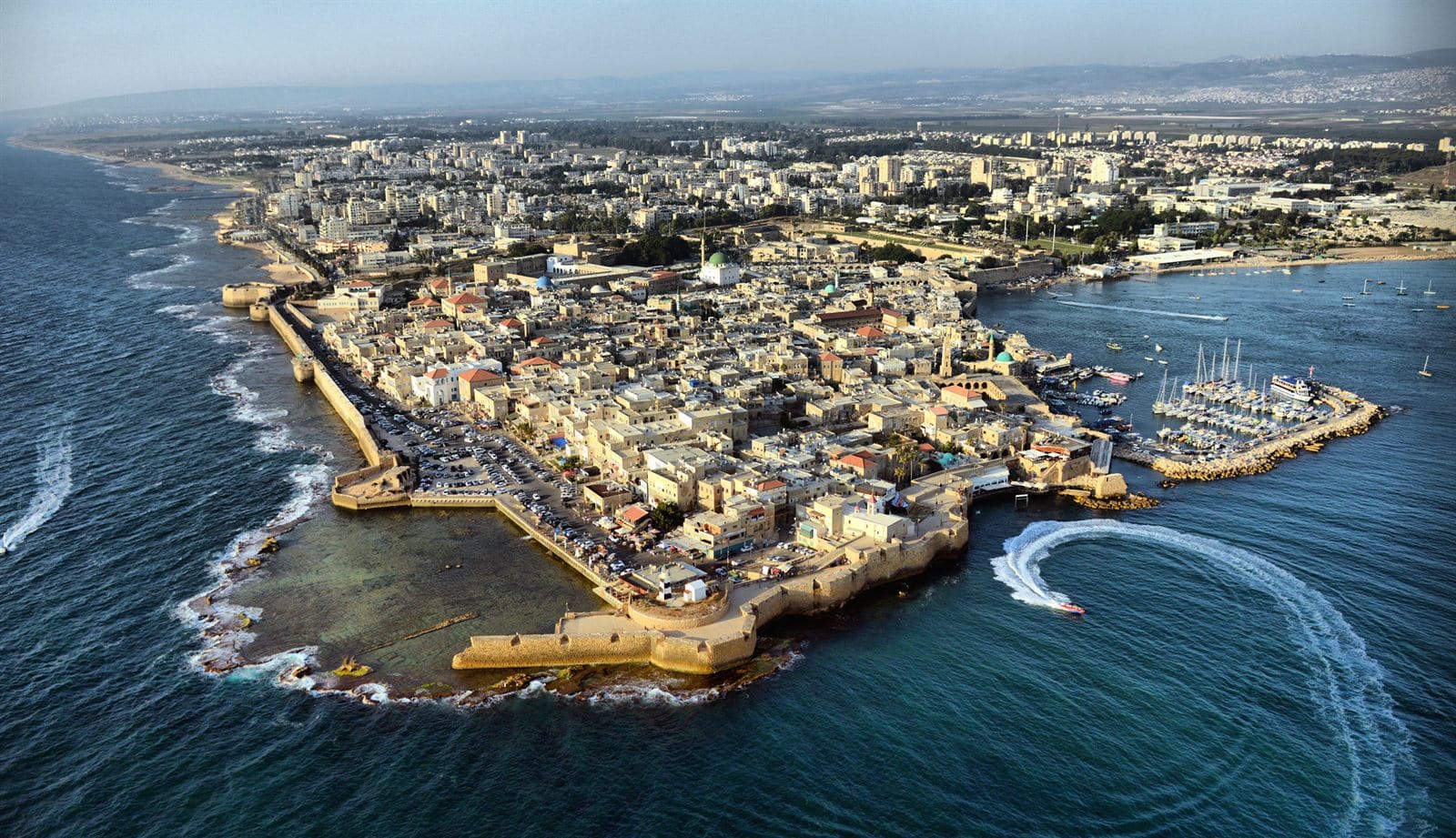
Caesarea holds one of the most complete Roman sites in Israel: Herod's harbor city, its theater and its hippodrome, later refortified by Crusaders. Haifa is a brief crossing point, best used for the view over the bay. Acre closes the day looking Ottoman above ground, with a buried Crusader capital underneath.
How the day can unfold
Meet Herod's Caesarea
The Roman theater, harbor and the scale of Herod's building project open the day.
Walk the hippodrome and Crusader walls
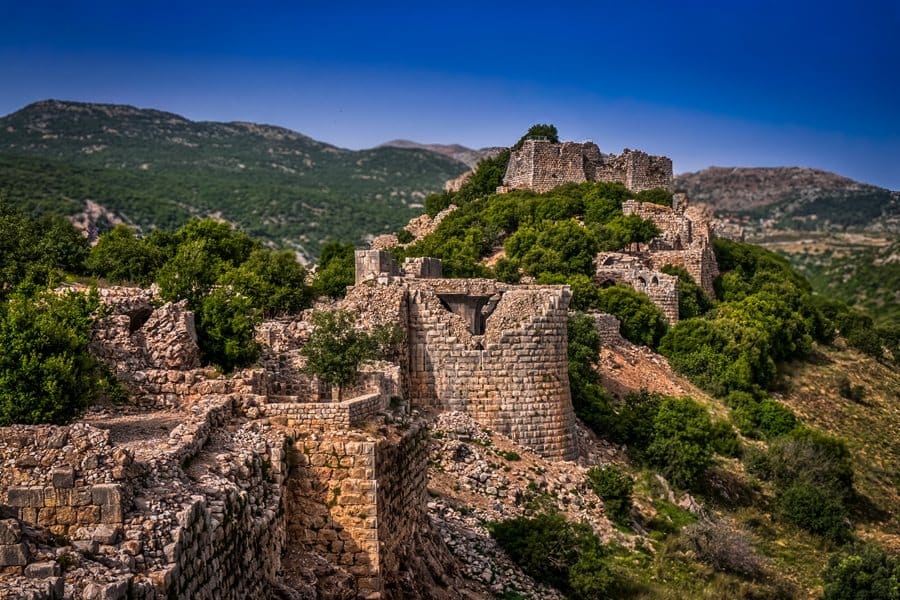
Caesarea's later fortified life is layered directly over the Roman city.
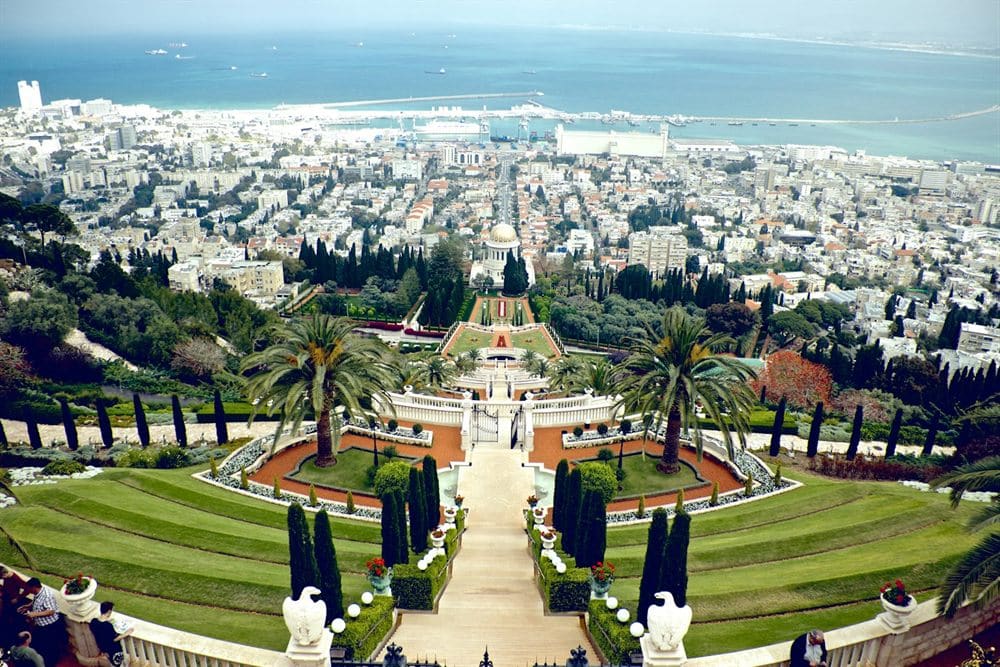
A short stop above Haifa's bay
Just enough time to place the Bahá'í story and the view before continuing north.
Enter the buried Crusader city
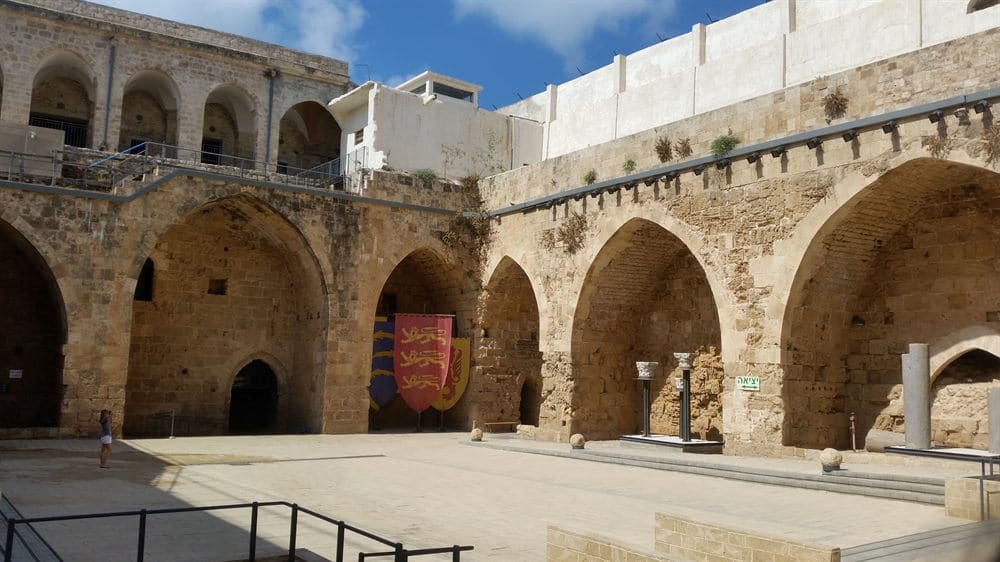
Acre's afternoon opens with halls and passages preserved beneath the later city.
Finish at Ottoman street level
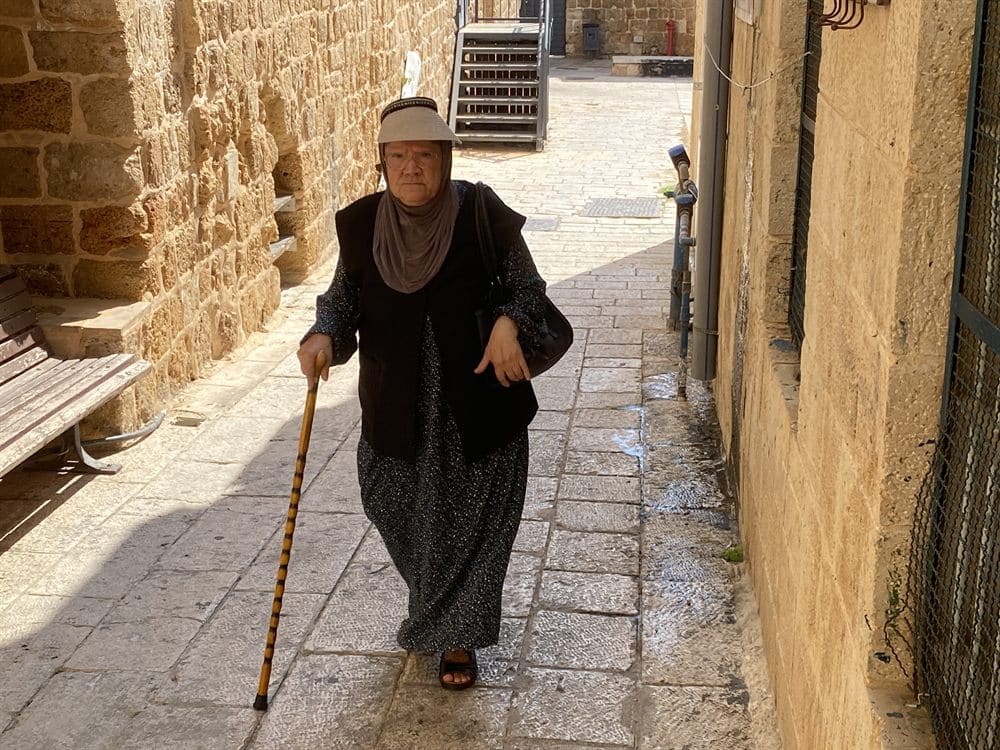
Markets, khans, mosques and homes built directly over the older Crusader city.
Optional: one add-on to the day
Either the Rosh Hanikra grottoes and border views, or a walk through Zichron Yaakov and a winery near Caesarea, at the cost of less time in Caesarea, Haifa or Acre.
Why this tour
Three sites, one coherent route
Herod's Caesarea, the Bahá'í view over Haifa's bay and Ottoman-Crusader Acre connect into a single Mediterranean coast day instead of feeling like unrelated stops.
History above and below ground
Caesarea's Roman harbor and Acre's buried Crusader city are two of the most tangible archaeological experiences on Israel's coast.
Religious diversity without a checklist
The Bahá'í story, Muslim and Christian Acre, and Jewish-Arab Haifa are explained through place and community.
Make it yours
Good to know: Caesarea's ruins are extensive and mostly outdoors, with some walking on uneven stone. Acre includes stone paving, stairs and underground passages. Haifa's steep terrain makes a vehicle useful. Bahá'í garden access follows strict current schedules and rules.
Frequently Asked Questions
Why does the day start in Caesarea?
Caesarea holds one of the most complete Roman sites in Israel — Herod's harbor city, theater and hippodrome — so it anchors the morning before Haifa and Acre.
Can we walk through all the Bahá'í terraces?
Only through currently permitted routes and schedules. Full access is not always available.
Are Caesarea, Haifa and Acre too much for one day?
No, when the route is selective: Caesarea in the morning, a short stop in Haifa, and Acre in the afternoon keeps the day full without feeling rushed.
Is Acre mainly Crusader?
The visible city is largely Ottoman, built over extensive Crusader remains. That layering is the central story.
Can we add Rosh Hanikra?
Yes, as an optional extension, but the day becomes broader and less detailed in Caesarea, Haifa or Acre.
Is there an alternative to Rosh Hanikra?
Yes. Near Caesarea, a walk through Zichron Yaakov and a stop at a local winery works as a coastal-and-wine alternative to the Rosh Hanikra extension.