
Private Tours / First-Time Visitors
Your first Israel journey, without the checklist rush
First-Time Visitors to Israel
You do not need to see everything. You need the right first map of the country. Ari helps you choose what matters, understand how the regions connect and leave enough space to actually experience the places rather than race through them.

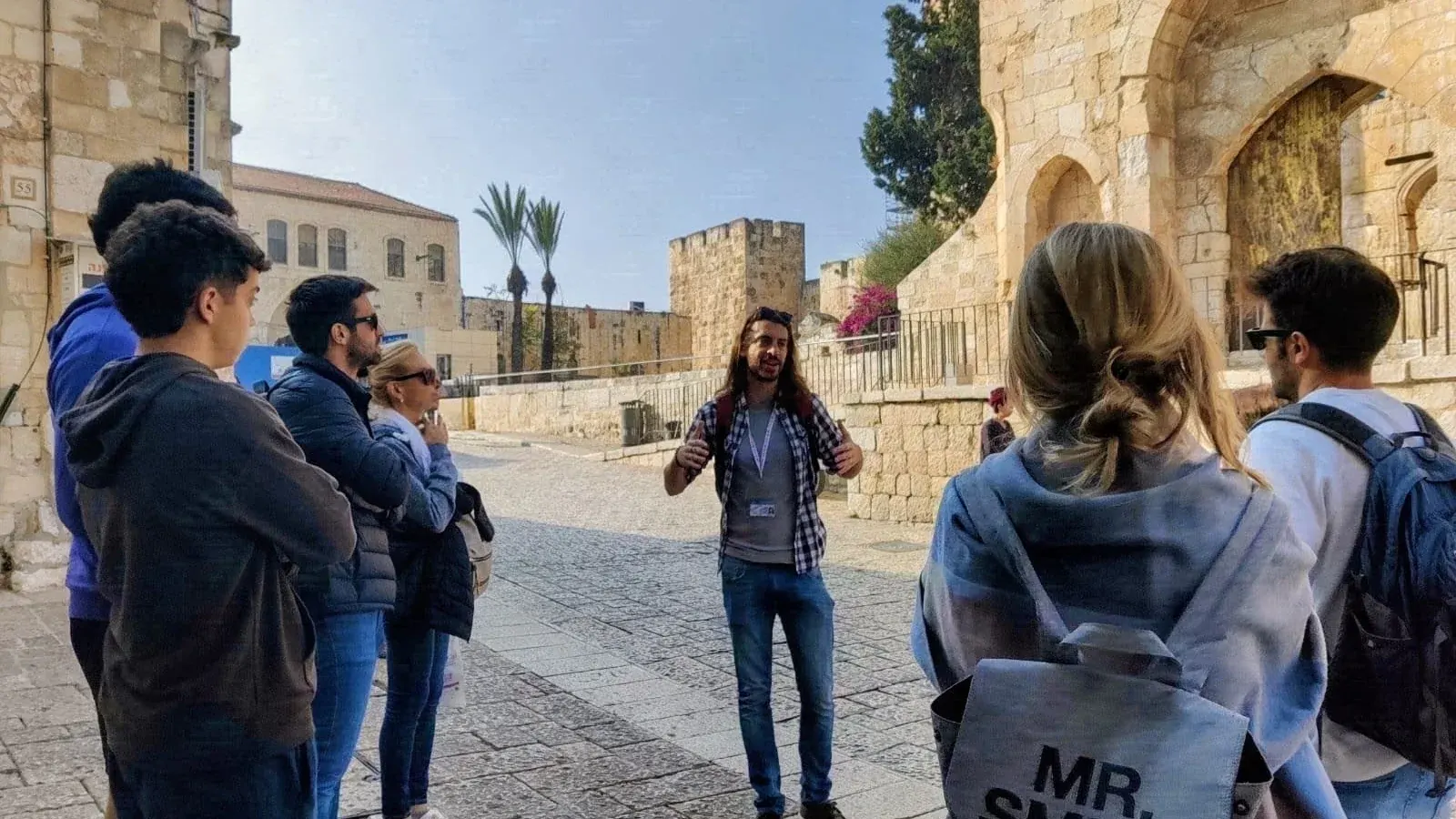
What a good first trip should give you
A clear mental map
Understand how Jerusalem, the coast, Galilee, the desert and modern Israeli cities relate to one another before the details become overwhelming.
The major stories in context
Connect archaeology, biblical history, Zionism, Christianity, Jewish history and contemporary society without a disconnected list of lectures.
A pace your group can enjoy
Choose fewer places well, adjust walking and heat exposure, and keep room for food, conversation, children and unexpected discoveries.
What Ari would prioritize on a first trip
There is no single correct itinerary, but if pressed, this is roughly how Ari weighs a first visit. It is a starting point for conversation, not a rule every traveler has to follow.
Jerusalem carries the most weight. No other city compresses so much of the country's religious, historical and political story into a walkable space, so it usually deserves more than a single rushed pass. Where archaeology is part of the visit, the newly opened Pilgrimage Road in the City of David, just south of the Old City, is often the strongest way to make that history physical rather than abstract.
Tel Aviv-Jaffa gives the necessary contrast. After Jerusalem's density, a day of modern Israeli life, Mediterranean rhythm and Jaffa's older port streets helps a first-time visitor see the country as it actually lives today, not only as it once was.
Masada and the Dead Sea are worth the drive. Few places combine desert geology, Roman-era history and a landscape this dramatic in one day — it is one of the clearer wins for a first trip.
The Galilee, when the trip allows it. For groups with a Christian focus or simply more time, the Sea of Galilee's villages and shoreline add a different pace and a different part of the story than Jerusalem alone can offer.
The desert or the north, according to interest. Beyond that core, Ari usually lets genuine interest decide — the Negev's craters and Nabataean trade routes for travelers drawn to nature and geology, or the north's mix of history and landscape for those who want more of both.
Not every first-time visitor needs all of this, and some will reasonably choose a different order. This is where Ari starts the conversation, not where it has to end.
Good starting points
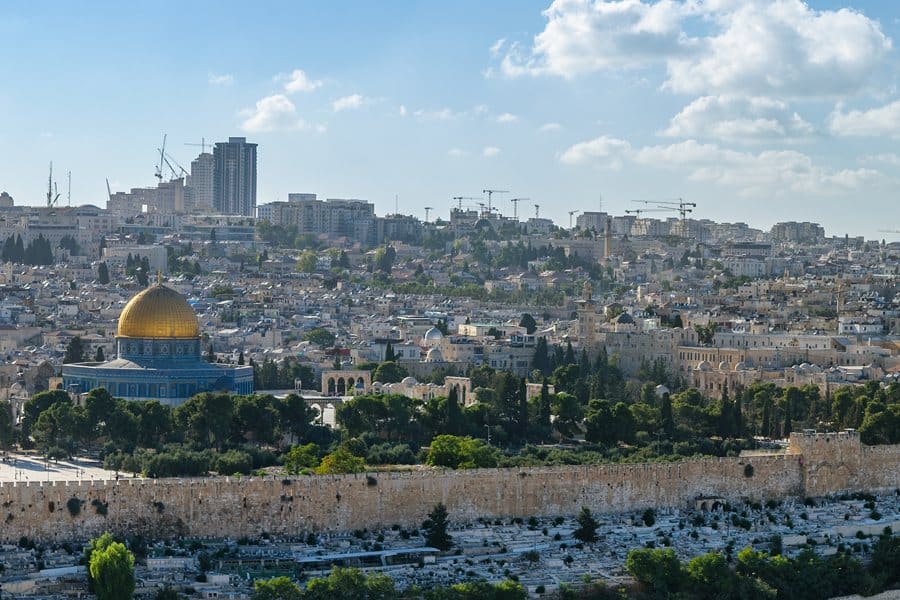
Jerusalem: History, Faith and Identity
The strongest broad introduction to sacred geography, archaeology, Jewish and Christian history and a living city.
Explore →
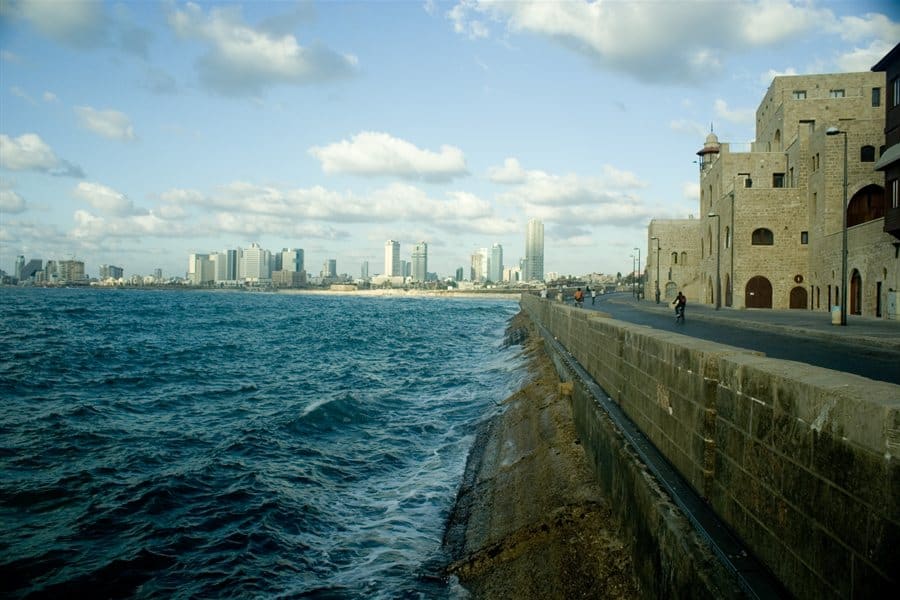
Tel Aviv, Jaffa and the Birth of a Modern City
A more relaxed entry into immigration, Zionism, architecture and Mediterranean life.
Explore →
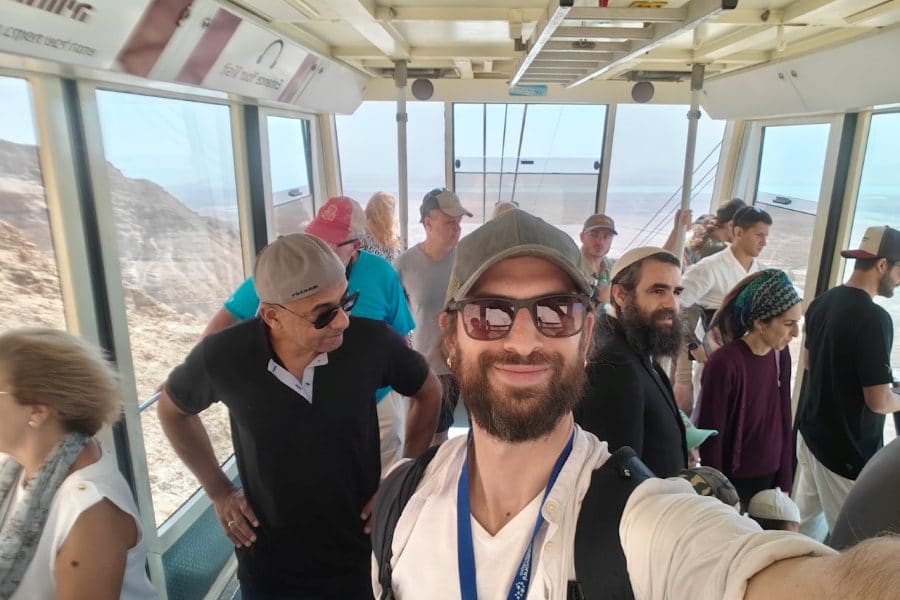
Masada and the Dead Sea
A dramatic combination of archaeology, desert geography, Roman history and a landscape unlike anywhere else.
Explore →
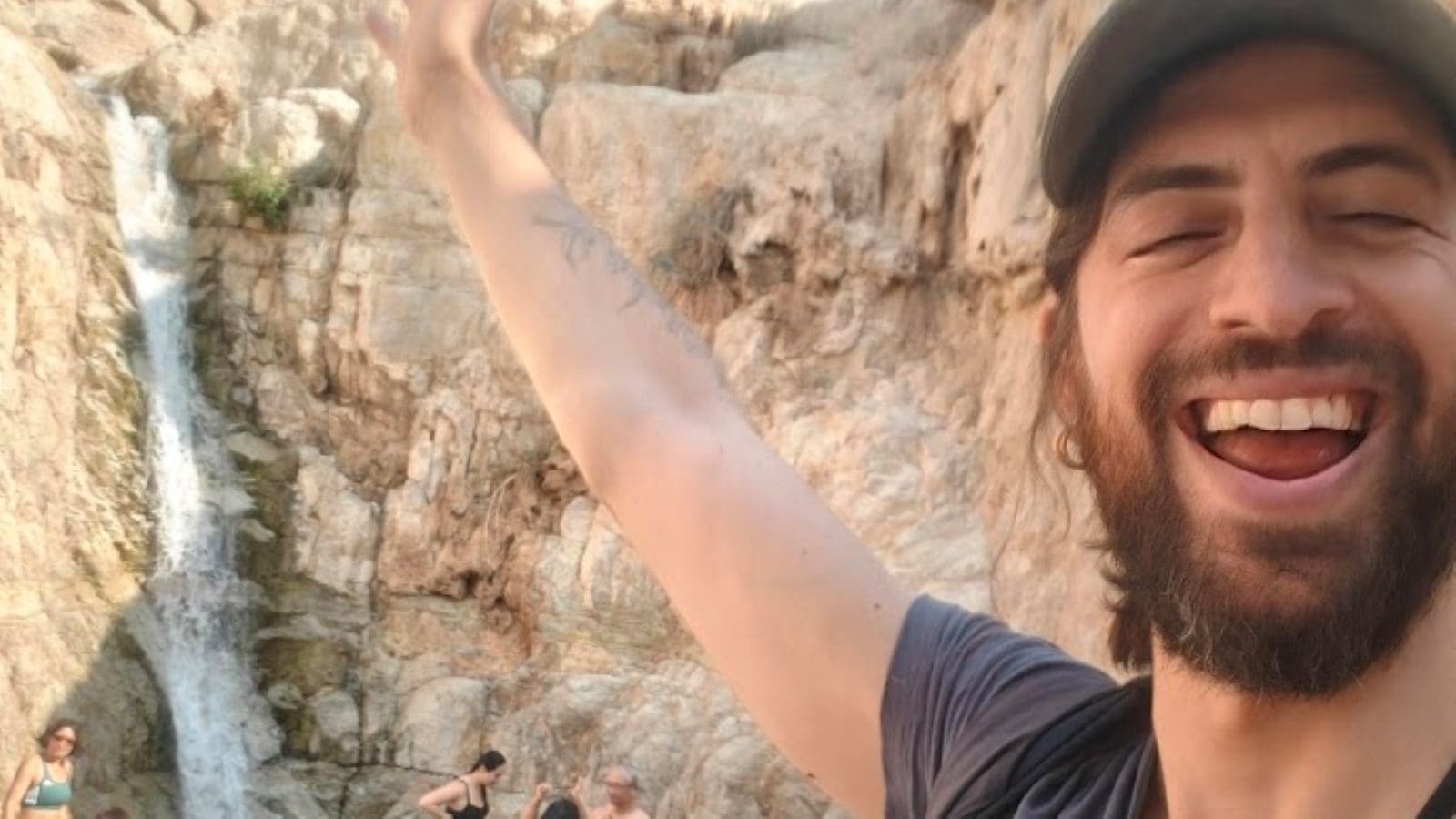
Nature, Geology and Archaeology
A non-religious pathway through the land itself: water, rock, routes, ruins and the forces that shaped settlement.
Explore →
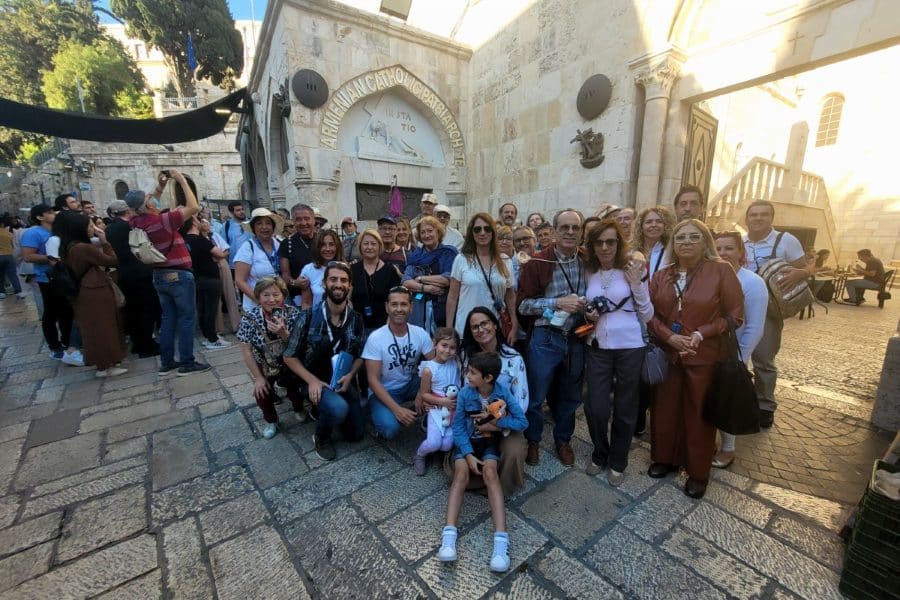
Christian and Biblical Israel
For visitors who first encountered the country through scripture and want faith, geography and archaeology connected.
Explore →
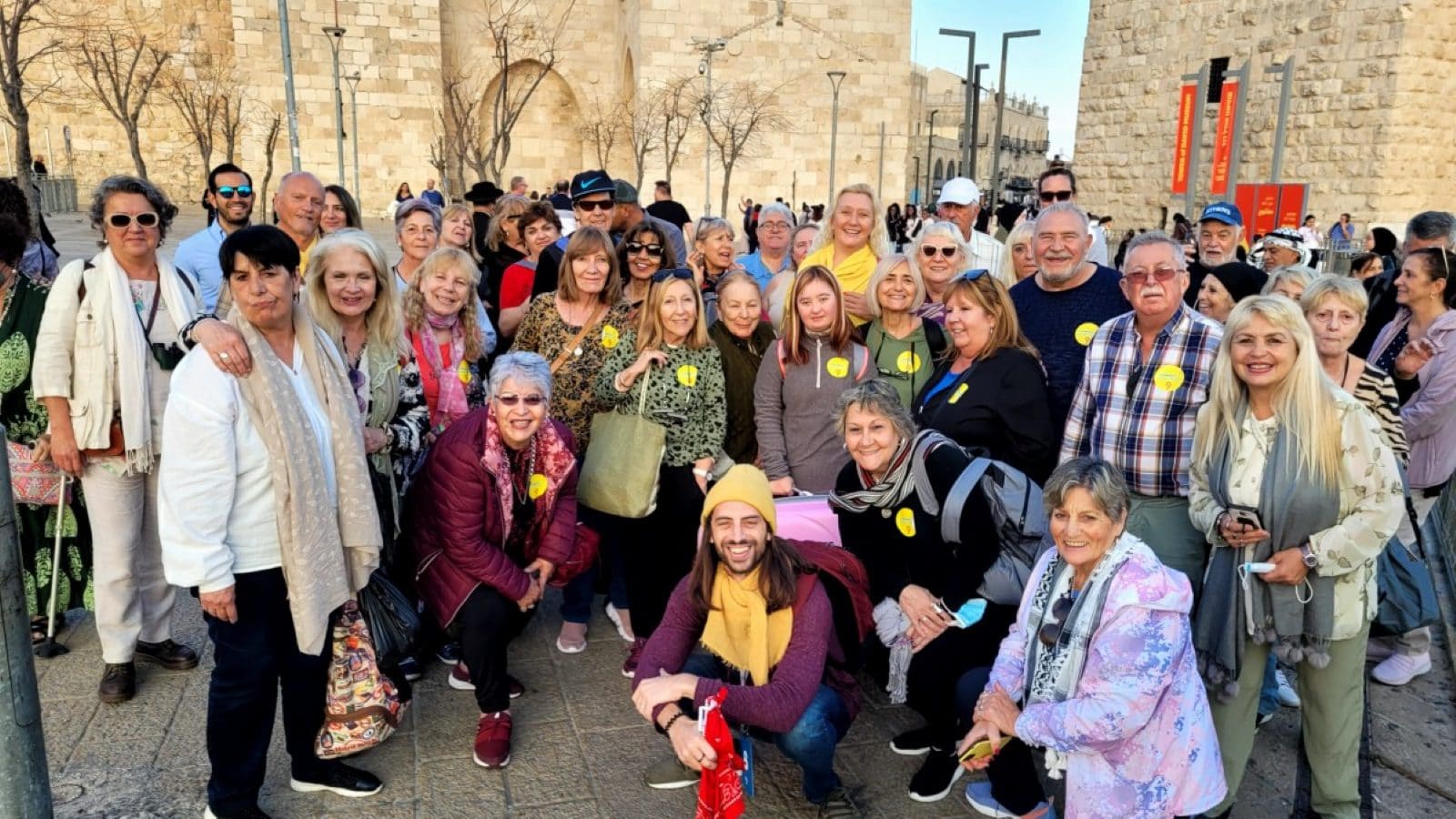
Jewish History and Modern Israel
Connect ancient Jewish life, diaspora, Zionism and the society Israel became.
Explore →
How Ari helps you choose
- —He asks what your group already knows and what brought you to Israel.
- —He separates must-see priorities from places that are only famous.
- —He checks whether the group prefers religion, archaeology, nature, current affairs, food or a deliberate balance.
- —He builds around ages, mobility, heat tolerance, transport and attention span.
- —He explains where a guide adds the most value and where independent time may be better.
- —He leaves room to adapt if weather, access or the group's energy changes.
Common first-trip mistakes
Trying to cover the whole country every day
Israel is compact, but traffic, entrances, walking and the density of each site make rushed itineraries exhausting.
Treating Jerusalem as one attraction
The city contains several different historical, religious and modern experiences. One day requires strong priorities.
Planning only around landmarks
Markets, neighborhoods, food and conversations often become the memories that make the major sites meaningful.
Ignoring calendars and local rhythm
Shabbat, Sundays, Muslim prayer, Christian holidays, Jewish festivals and seasonal hours affect access differently.
Leaving no flexibility
Weather, security instructions, queues and a child's energy can change the best plan. A good itinerary has alternatives.
Who this page is for
Practical reassurance: You do not need to finalize every stop before contacting Ari. Approximate dates, group composition, main interests and accommodation area are enough to begin. Transportation, licensed driver-guide arrangements, opening hours, dress requirements and operational conditions should be confirmed for the specific dates.
Frequently Asked Questions
How many days do I need in Israel?
There is no single answer. A short visit can provide a meaningful introduction, while seven to ten days allows several regions with less rushing. Ari recommends priorities based on your actual dates.
Should I book a guide every day?
Not necessarily. A guide is most valuable where context, logistics or complex history changes the experience. Independent time may be better for beaches, shopping or simple neighborhood wandering.
Is Jerusalem possible in one day?
Yes as an introduction, but only with clear priorities. A second day allows archaeology, modern neighborhoods, museums or a deeper religious focus.
Can one tour work for Christians and Jews together?
Yes. Ari can build a shared historical and geographical foundation while giving each tradition appropriate context.
Is Israel suitable for children?
Yes, when the day is built around movement, objects, food, stories and realistic attention spans rather than adult lectures.
What if conditions change before the tour?
The route should be reconfirmed close to the date and adapted to official instructions, access, weather and the group's needs.