
Private Tours / Christian Holy Land
Biblical stories in their landscape
In the Footsteps of Jesus
Walk from the Mount of Olives and Gethsemane to the Via Dolorosa and the Holy Sepulchre; connect Bethlehem, Nazareth and Cana with the Sea of Galilee, Capernaum, the Mount of Beatitudes, Tabgha and Magdala. The route begins with the Christian places you came to see.

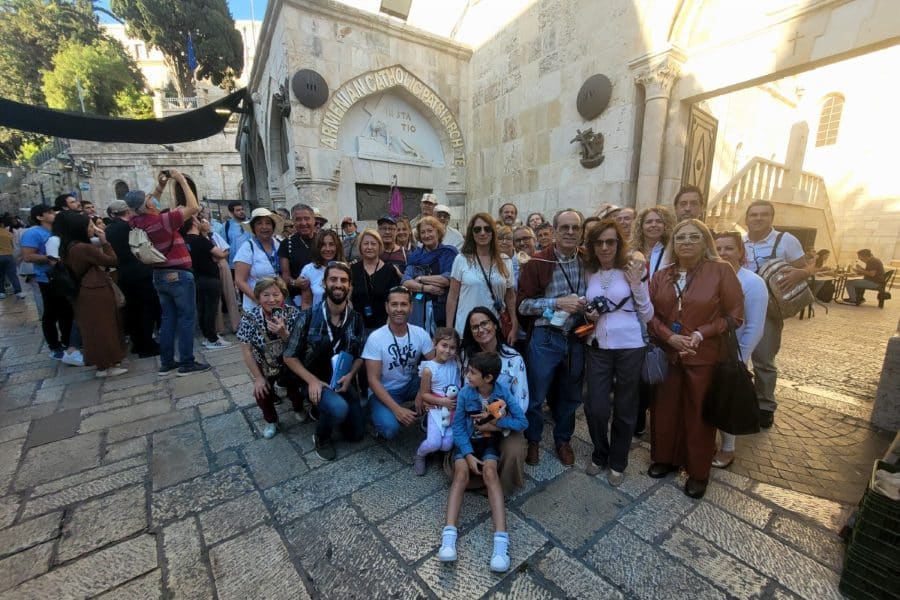
The Christian places that shape the route
These are choices, not a promise that every site fits into one day. The route follows your starting point, tradition and priorities.
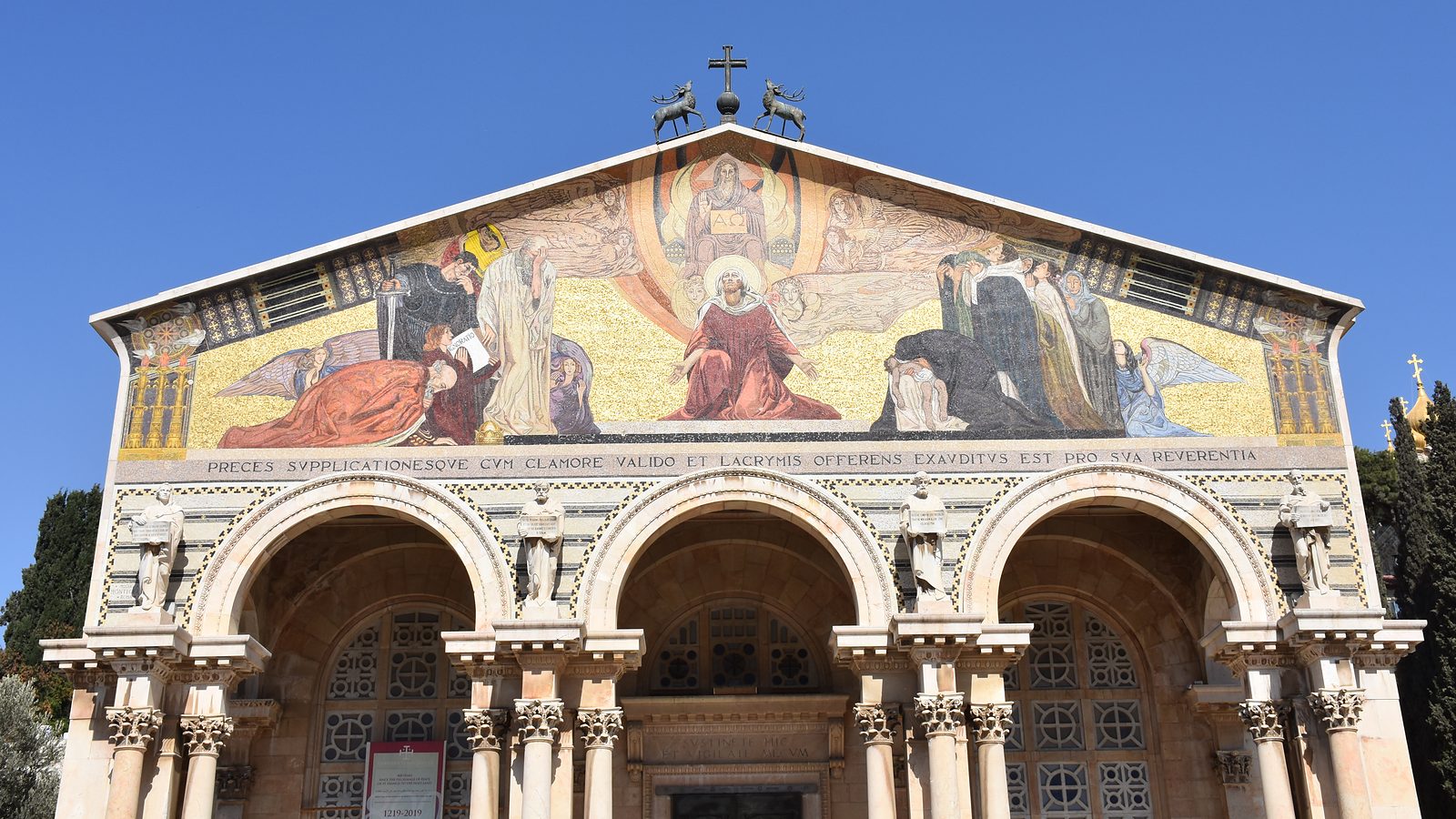
Christian Jerusalem
The Mount of Olives and Gethsemane lead into the Old City, the Via Dolorosa and the Church of the Holy Sepulchre. The Garden Tomb can be included when it matters to your tradition.
Bethlehem and the Judean landscape
Bethlehem connects the Nativity traditions with the roads, hills and communities south of Jerusalem.
Nazareth and Cana
The Basilica of the Annunciation, Nazareth's setting and Cana open the Galilee story before reaching the lake.
The Sea of Galilee
Capernaum, the Mount of Beatitudes, Tabgha and Magdala connect the Gospel accounts with villages, fishing and first-century Jewish life.
What gives the route depth
Geography before abstraction
Distances, water, roads, elevation and climate make familiar stories more concrete.
The Jewish world of Jesus
Second Temple Judaism, pilgrimage, synagogues, ritual practice and Roman rule provide essential context.
Evidence and tradition
Religious memory, written sources and archaeology are treated respectfully without presenting them as identical.
Jerusalem archaeology
The City of David and the newly opened Pilgrimage Road, just south of the Old City, help explain movement toward Second Temple Jerusalem.
Christian history after the Gospels
Byzantine, Crusader, Ottoman and modern Christian layers show how communities and traditions developed.
The living country
Sacred landscapes belong to modern Israel too, with its communities, languages, debates and everyday life.
Recommended experiences
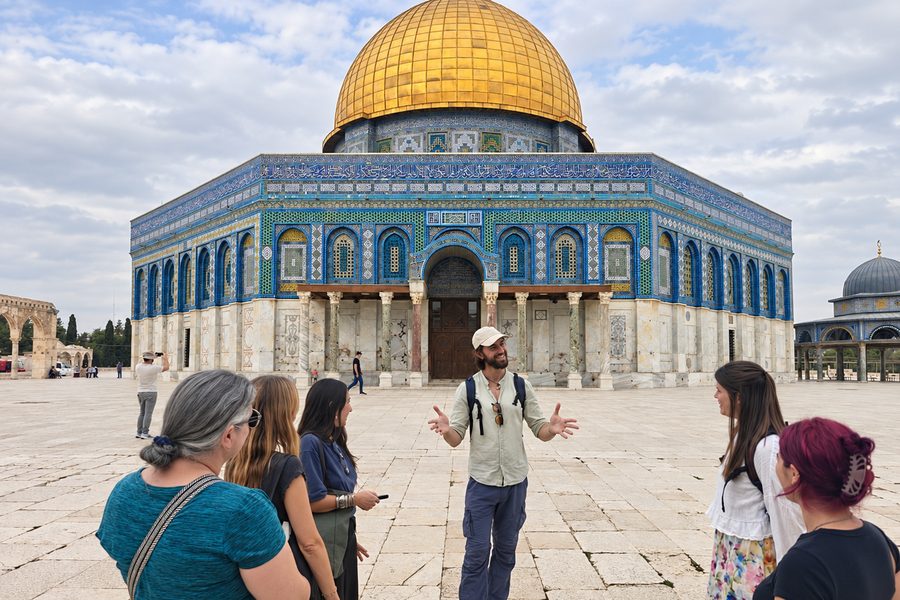
Jerusalem: History, Faith and Identity
A broad first encounter with the Old City, sacred geography and archaeology.
Explore →
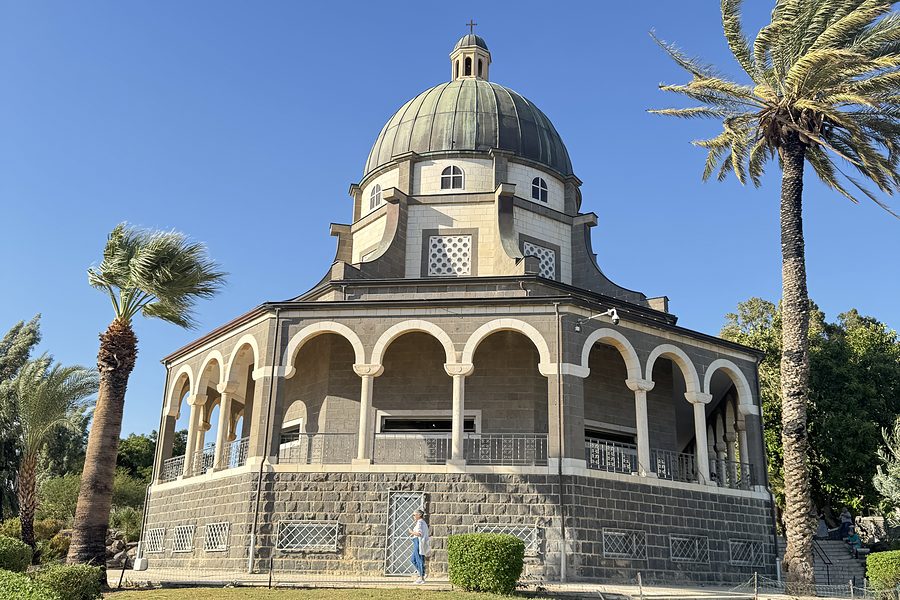
Christian Galilee: Jesus, Landscape and the World of the Gospels
The Sea of Galilee, first-century life, Jewish context and major Christian traditions.
Explore →
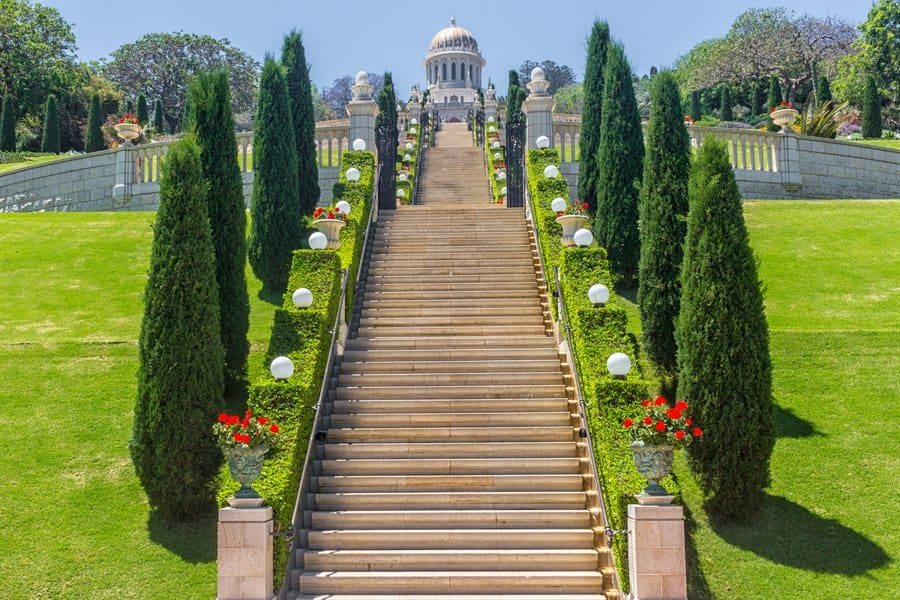
Haifa and Acre
Crusader Acre, Christian communities, Bahá'í sacred geography and the northern coast.
Explore →
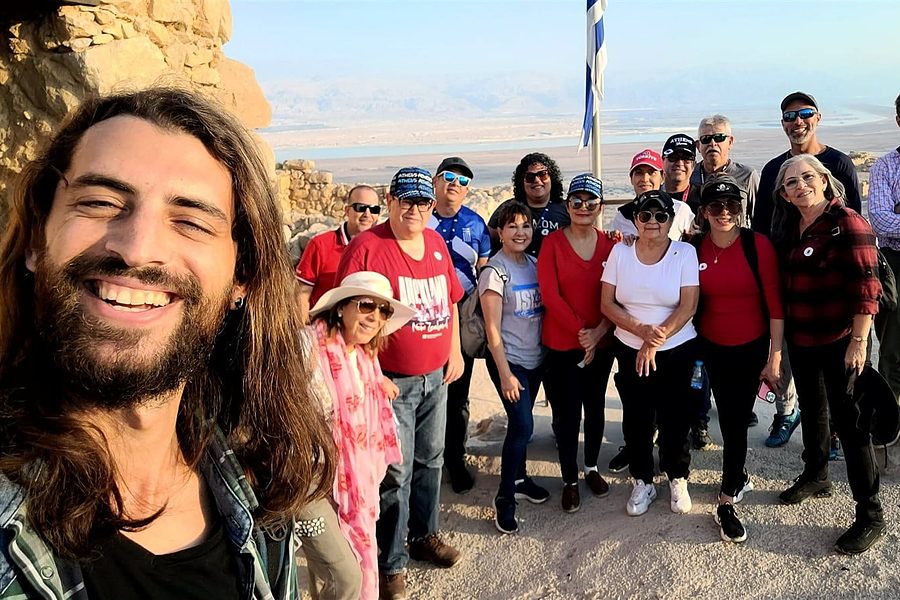
Masada and the Dead Sea
The political and religious world of the first century, Roman power and the Judean landscape.
Explore →
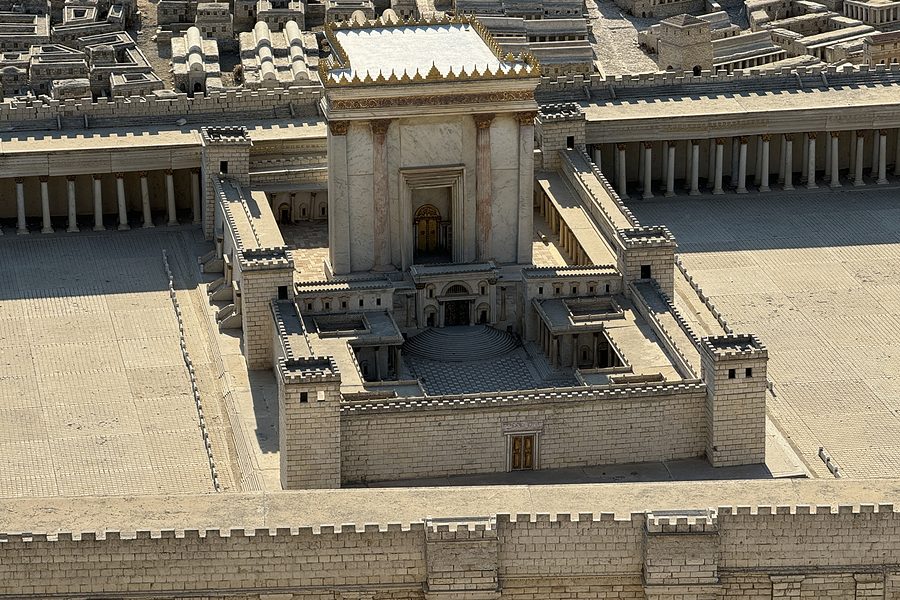
Jerusalem Through Archaeology
Ancient Jerusalem, the Second Temple world and the evidence beneath the modern city.
Explore →
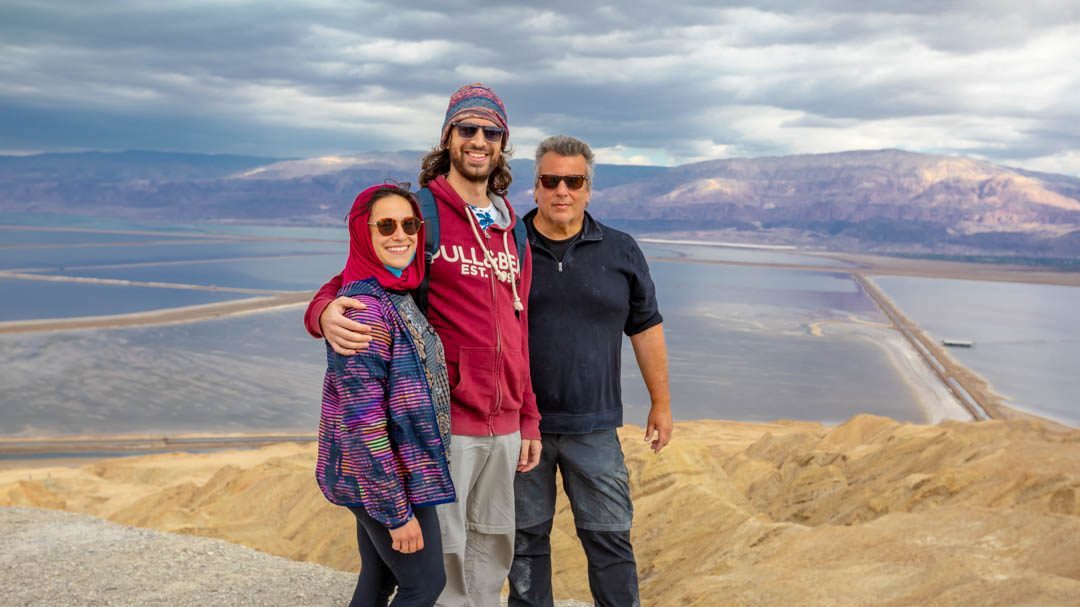
Multi-Day Biblical Israel
Jerusalem, Galilee, desert landscapes and selected Christian sites in one coherent narrative.
Explore →
Who this is for
Your Christian tradition shapes the route.
Ari provides historical and geographical context without replacing a pastor, priest or spiritual leader.
How Ari approaches faith, history and archaeology: Ari treats faith with respect and historical claims with care. Religious tradition, written sources and archaeological evidence are all important, but they are not always the same thing. When the evidence is uncertain or traditions differ, he says so clearly. Nothing here is meant to take the meaning out of a place. It's meant to make sure what you hear there is true.
Israel beyond the biblical sites: A Christian tour of Israel should not leave visitors with the impression that the country stopped developing two thousand years ago. Modern Israel is part of the experience: Hebrew returned as a spoken language, immigrants built new communities, and the same land now supports a complex modern society. Ari himself left Argentina and moved to Israel, so when Christian Zionist groups ask about return, he can answer from experience.
Good to know: Tours can be faith-centered, historically focused or balanced between the two. We check church access, worship times, dress codes and religious holidays for your date. Ari can adapt the day to denomination, level of biblical knowledge, mobility and desired pace.
Frequently Asked Questions
Will the tour support my faith?
The tour treats Christian belief respectfully and helps connect scripture to place. Ari does not preach or replace a pastor, priest or spiritual leader.
Will you discuss archaeology that challenges a tradition?
Yes, carefully and honestly. When evidence is uncertain or conflicts with a later tradition, the distinction is explained without dismissing the site's spiritual meaning.
Can the tour focus on Christian Zionism?
Yes. Biblical return, Jewish continuity, Zionism and modern Israel can be explored together, while keeping theology, history and current politics clearly distinguished.
Can we include prayer or worship time?
Usually yes, when the schedule and site rules allow. Formal religious services or clergy-led activities require separate coordination.