
Destinations / Masada & the Dead Sea
Desert, empire and a landscape in retreat
Masada and the Dead Sea
A fortress above the desert and a shoreline moving away from it tell two different stories about survival, power and change. A private guide turns them into one coherent day through geology, water, engineering, siege archaeology, memory and environmental change.
 Ask Ari how to build the day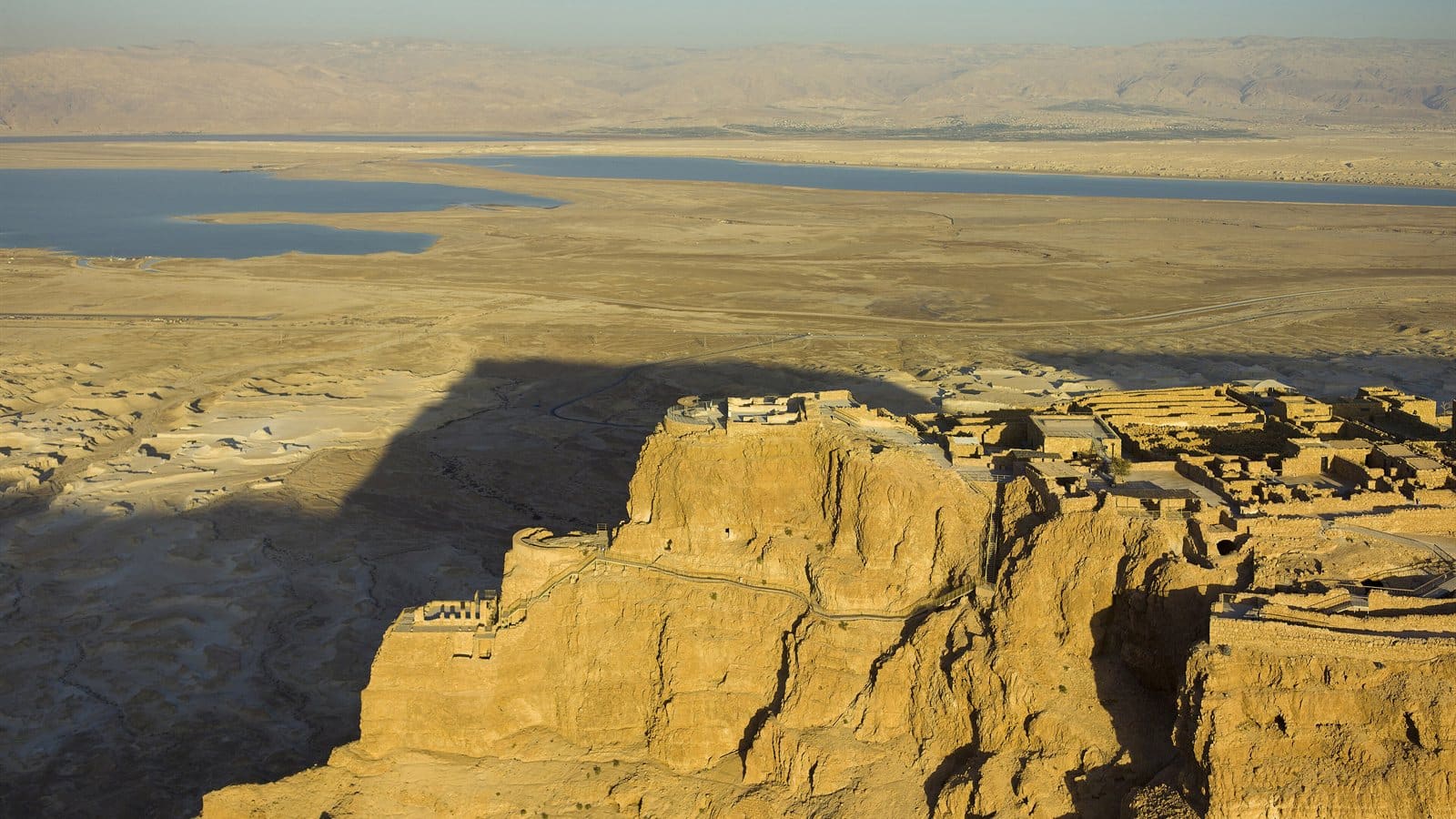
Why a guide changes this destination
The desert becomes readable
Cliffs, wadis, rainfall and the Rift Valley explain why settlement was difficult and why the fortress mattered.
Masada has more than one story
Herod's palace, the Roman siege, ancient texts, archaeology and modern Israeli memory require careful separation.
The Dead Sea is changing now
Falling water level, sinkholes, industry and freshwater springs make the landscape part of a current environmental story.
Ways to experience the region
Geology and the Rift Valley
Read uplift, faulting, salt, erosion and the lowest exposed land area on Earth.
Herod and desert engineering
Palaces, cisterns, storerooms and architecture reveal royal ambition and survival planning.
Revolt and Roman siege
Examine camps, ramp, written sources and archaeological interpretation.
Jewish memory and national meaning
Understand how Masada became a modern symbol and why that meaning changed.
Dead Sea ecology and environmental change
Water decline, sinkholes, industry, springs and fragile habitats.
Physical desert experience
Sunrise, walking, viewpoints, floating or a nature reserve according to season and group.
Related tours and formats
Masada and the Dead Sea
The flagship full-day combination of archaeology, desert geography and time at the sea.
Explore →
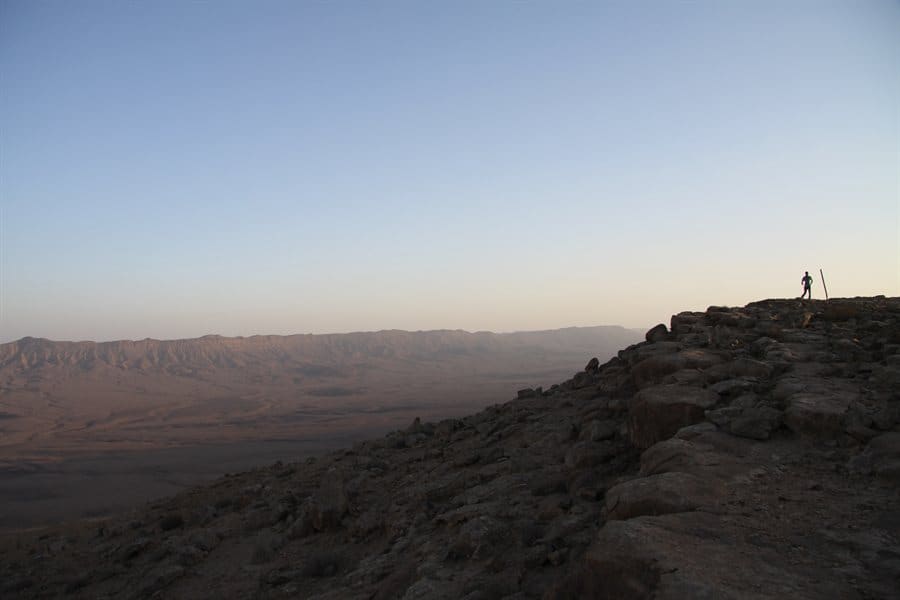
The Negev and Makhtesh Ramon
A desert journey through geological time, Nabataean trade and desert survival.
Explore →
Masada, Dead Sea and the Negev
A multi-day desert sequence connecting geology, archaeology and modern settlement.
Explore →
Who this destination suits
How Ari interprets the region: Ari begins with the desert itself and uses visible evidence to connect geology, engineering and human choices. At Masada, he distinguishes Josephus, archaeological findings, later interpretation and national memory. At the Dead Sea, the experience moves beyond the novelty of floating to the environmental system changing in front of visitors.
Good to know: Heat, flash-flood risk, trail access, cable-car operation, beach access, sinkhole zones and official safety instructions must be checked for the date. Early departures are often useful. Walking can range from minimal to demanding.
Weighing up the timing? Read whether Masada and the Dead Sea fit in one day.
Frequently Asked Questions
Can Masada and the Dead Sea fit in one day?
Yes, with a clear starting point and realistic priorities.
Do we need to climb Masada?
No. Route options depend on cable-car operation, trail access, heat and group ability.
Is floating always possible?
Only at approved operating beaches and subject to current conditions.
Is Masada suitable for children?
Yes, especially through engineering, palace life, siege evidence and dramatic views.
Will the tour present the traditional Masada story as certain?
Ari distinguishes the ancient source, archaeological evidence, debate and modern memory.
Tell Ari whether you want archaeology, geology, sunrise, family pacing, hiking or a relaxed desert day. He will build the right balance.
Private tour pricing
What this costs
Transport is included for up to 3 adults, or 2 adults + 2 children. For larger groups, ask for a quote.