
Destinations / Golan Heights
Volcanic geology, water and borders explained through the land
Golan Heights
On the Golan, the landscape comes first. Extinct volcanoes, basalt, springs, elevation and the seasons explain its farms, its towns and its strategic importance.
 Ask Ari on WhatsApp
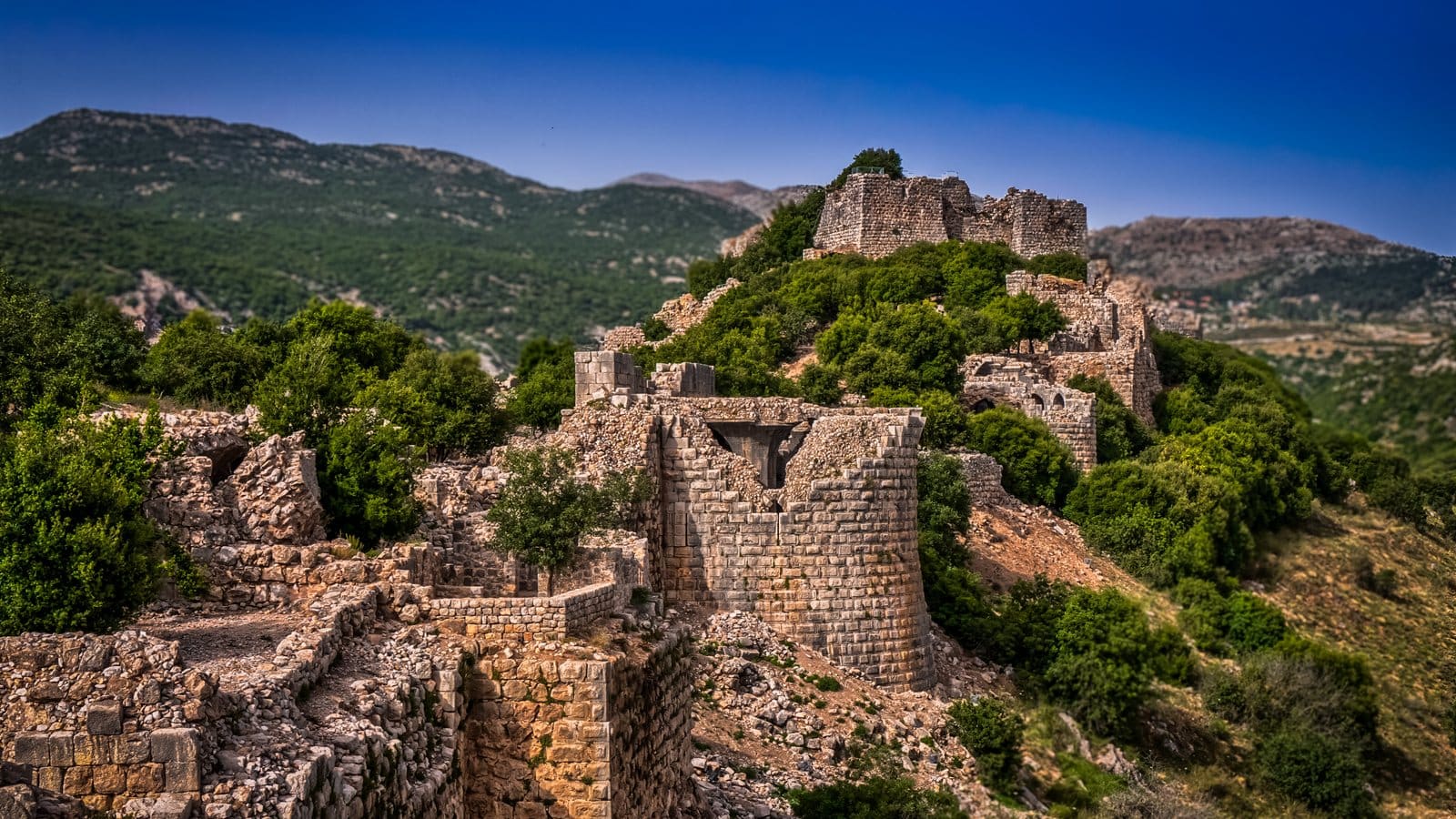
Ways to read the region
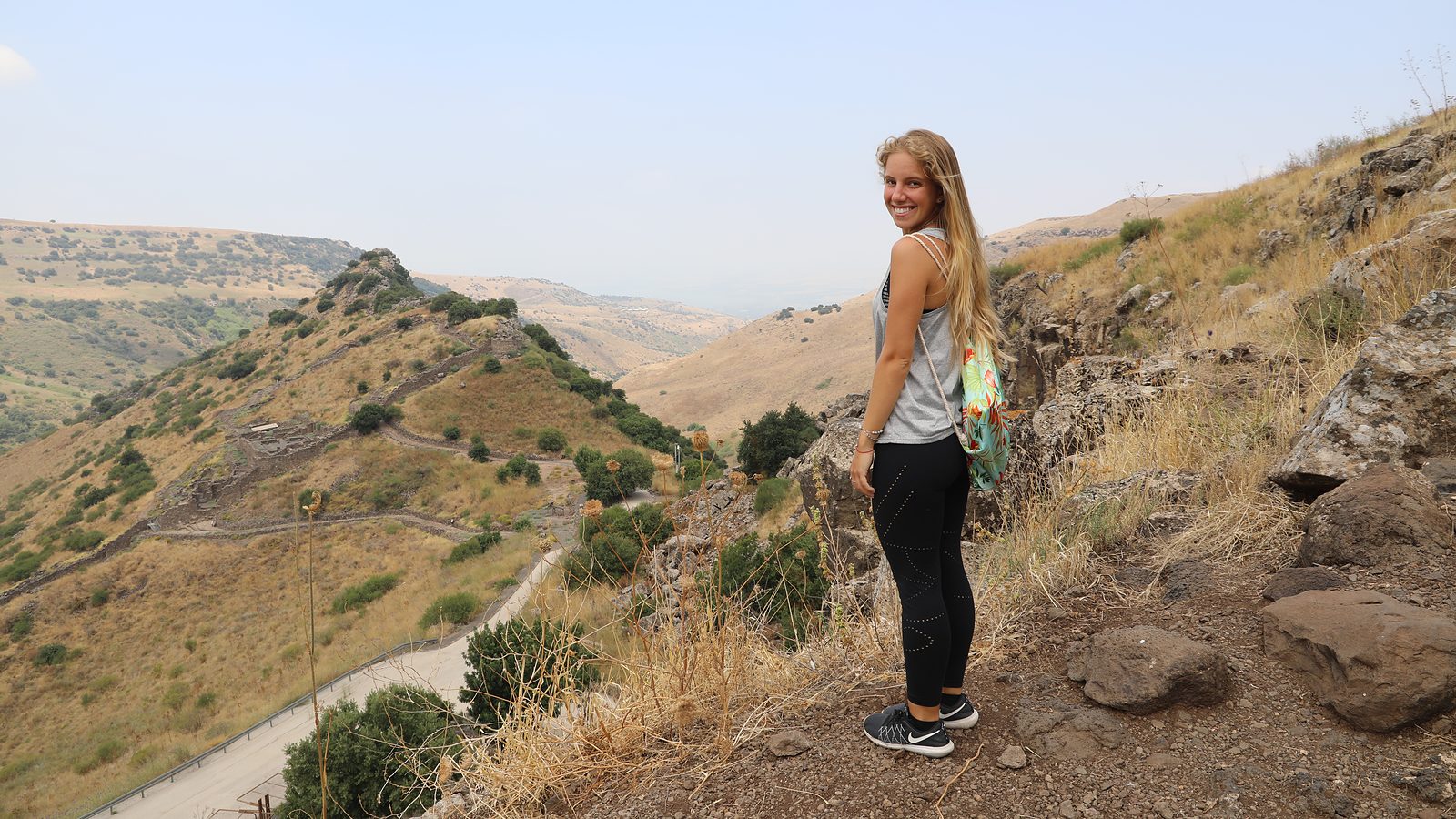
Volcanic geology
Extinct cones and basalt formations shape the entire plateau.
Water systems and watershed
Springs and streams feed the region and its neighbors downstream.
Ecology and seasonal change
Wildflowers, migrating birds and shifting landscapes mark the seasons.
Agriculture and basalt soils
Vineyards, orchards and cattle farming rely on the volcanic soil.
Druze communities and settlement layers
Druze villages, kibbutzim and ancient sites, each with its own history.
Borders and military geography
Elevation and sightlines explain the plateau's strategic significance.
Recommended experiences
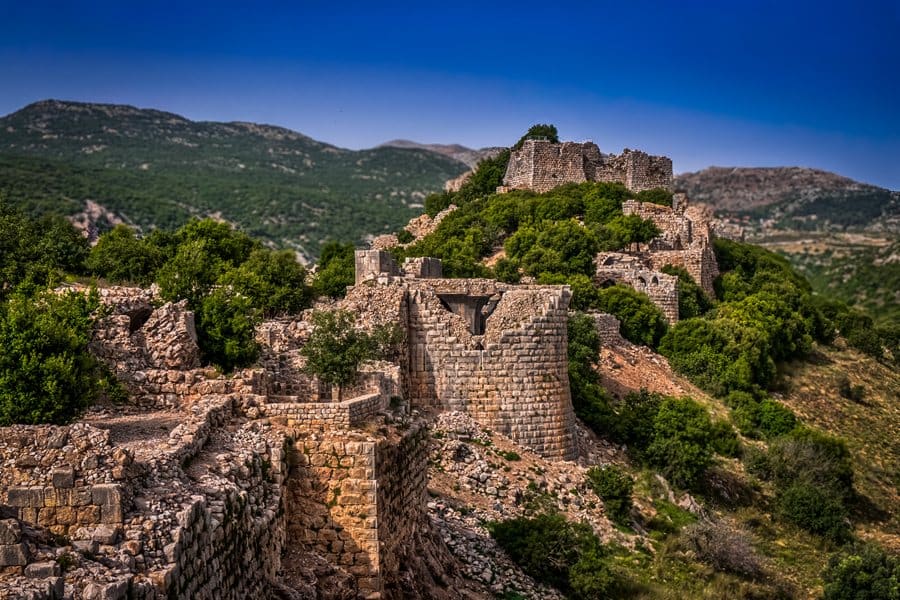
Golan Heights: Volcanoes, Water and Borders
Basalt, craters, springs and viewpoints reveal why the plateau matters scientifically, economically and strategically.
Explore →
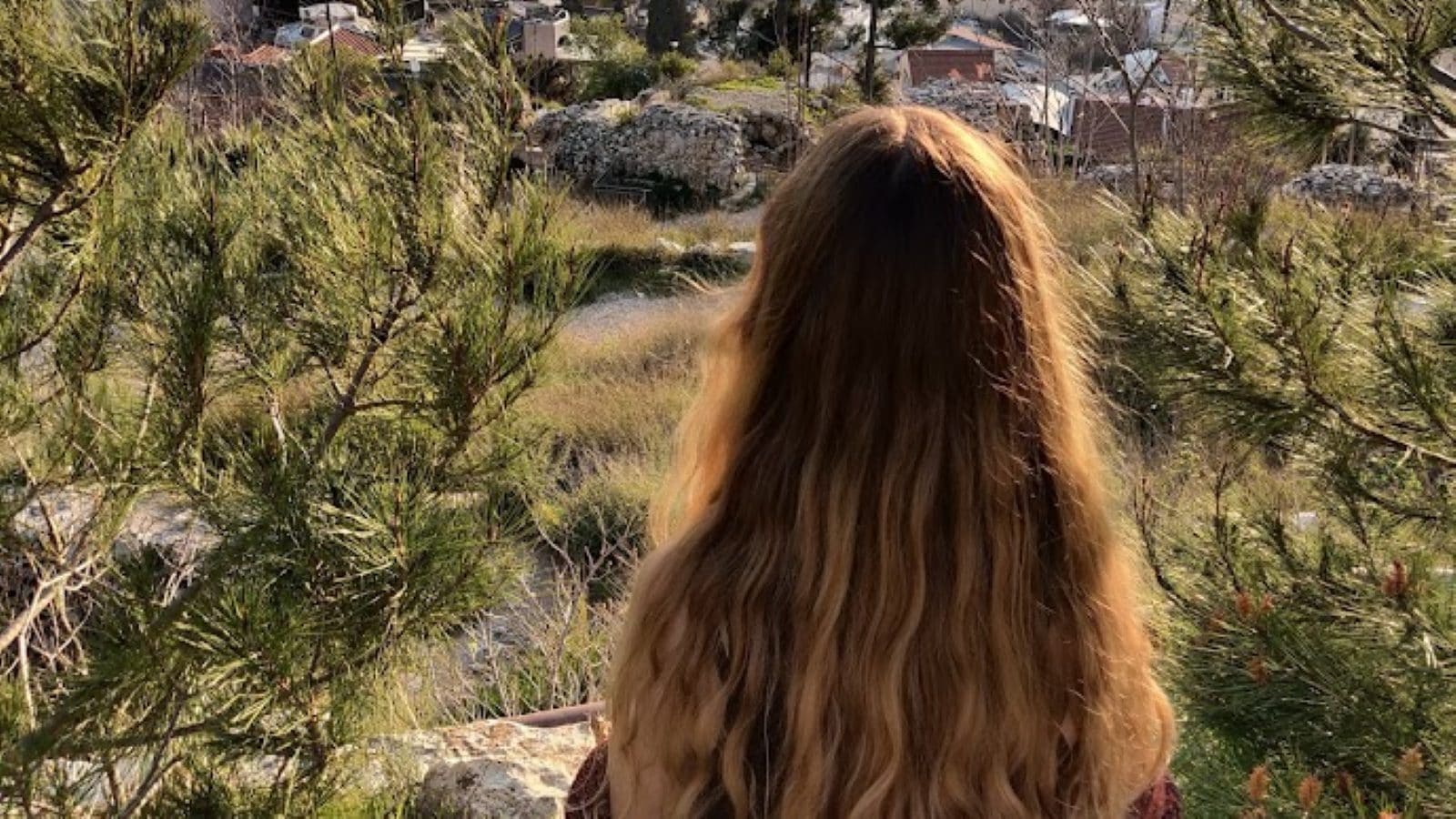
Tzfat, Kabbalah and the Galilee
Extend the day west into the Galilee's mountain communities.
Explore →
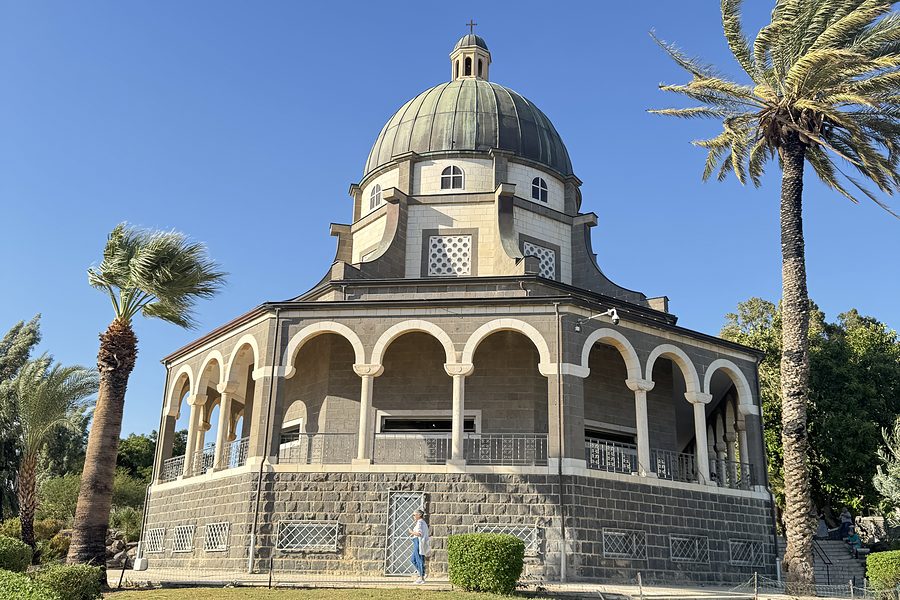
Christian Galilee
Combine the Golan with the Sea of Galilee's Gospel landscape.
Explore →
Who it suits
Good to know: The Golan changes dramatically by season. Weather, snow, heat, road access and border conditions can alter the route. Security-sensitive information must always be checked close to the date.
The Golan involves real distances — see how transportation works on a private tour.
Frequently Asked Questions
Is the Golan mostly a military destination?
No. Geology, water and ecology are strong primary stories.
Do we need to hike?
No. Many ideas can be understood from viewpoints, with optional walks.
Can families enjoy it?
Yes. Volcanoes, water, animals and wide landscapes work very well with children.
Is access always possible?
No. Current official guidance and road conditions must be checked.