
Destinations / Tel Aviv & Jaffa
From ancient port to restless modern city
Tel Aviv and Jaffa
Walk from a Mediterranean port shaped by pilgrimage and trade into the Hebrew city that keeps reinventing itself. A private route connects architecture, Zionism, food, migration and present-day debates without treating them as separate attractions.
 Ask Ari which urban route fits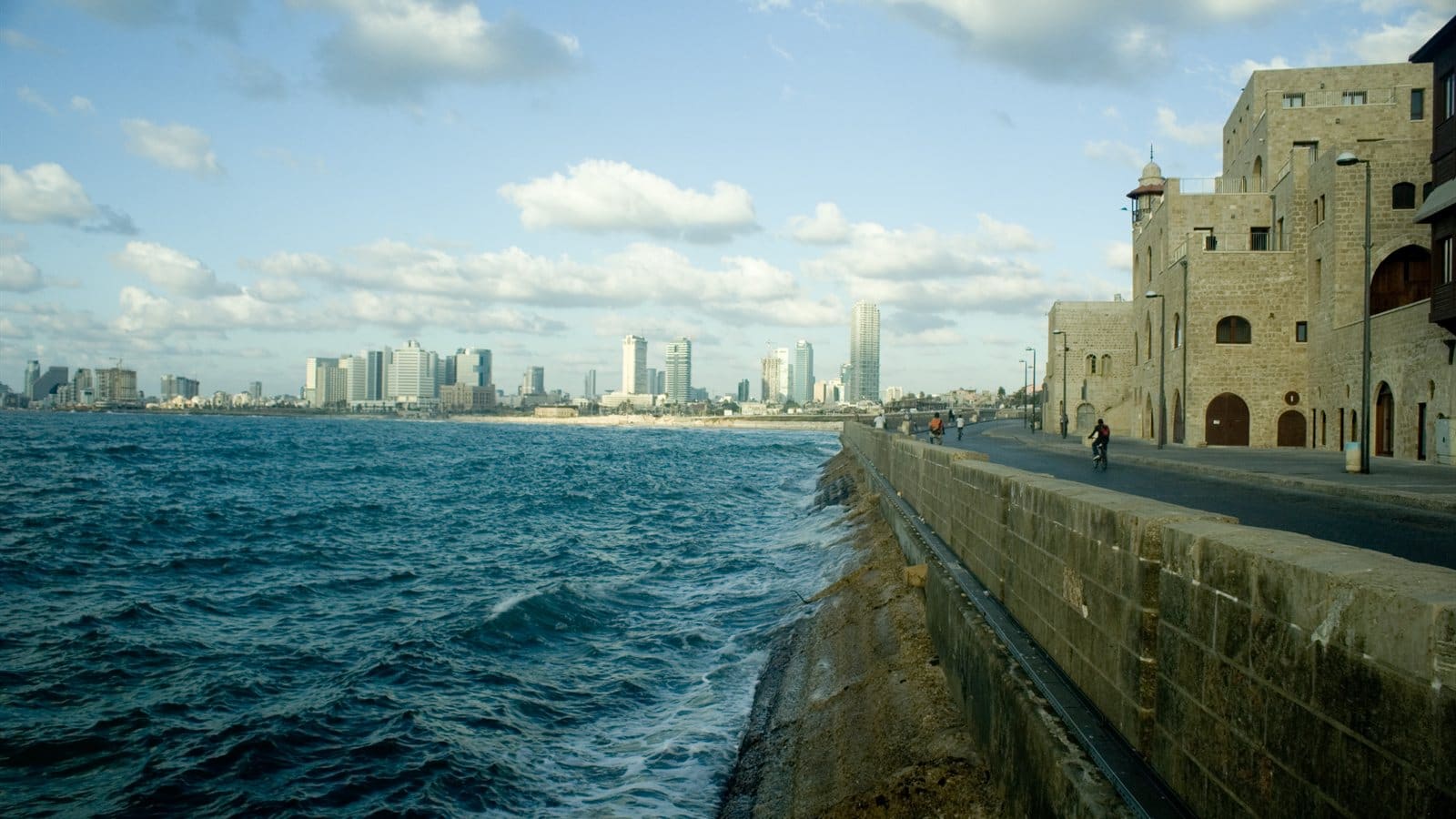
Why explore the city with a private guide
The route explains the city
Walking from Jaffa through Neve Tzedek toward Rothschild shows how the city physically grew.
Architecture becomes social history
International Style buildings, preservation and redevelopment reveal ideals, climate, migration and inequality.
The two cities belong in one story
Jaffa's Arab history and Tel Aviv's Zionist development are connected, not competing brochures.
Ways to experience Tel Aviv and Jaffa
Urban history and Zionism
Jaffa, the railway, Neve Tzedek, Ahuzat Bayit, Hebrew culture and the growth of Tel Aviv.
Architecture and planning
International Style, Bauhaus shorthand, balconies, climate, preservation and the White City.
Food and migration
Markets and neighborhood food as evidence of communities that built the city.
Jaffa and mixed histories
Arab society, Christian institutions, port culture, 1948 and urban renewal.
Street art and social change
Florentin, creative culture, gentrification and the city's changing edges.
Contemporary society
Secular identity, protest, cost of living, technology, inequality and everyday urban life.
Tel Aviv and Jaffa tours
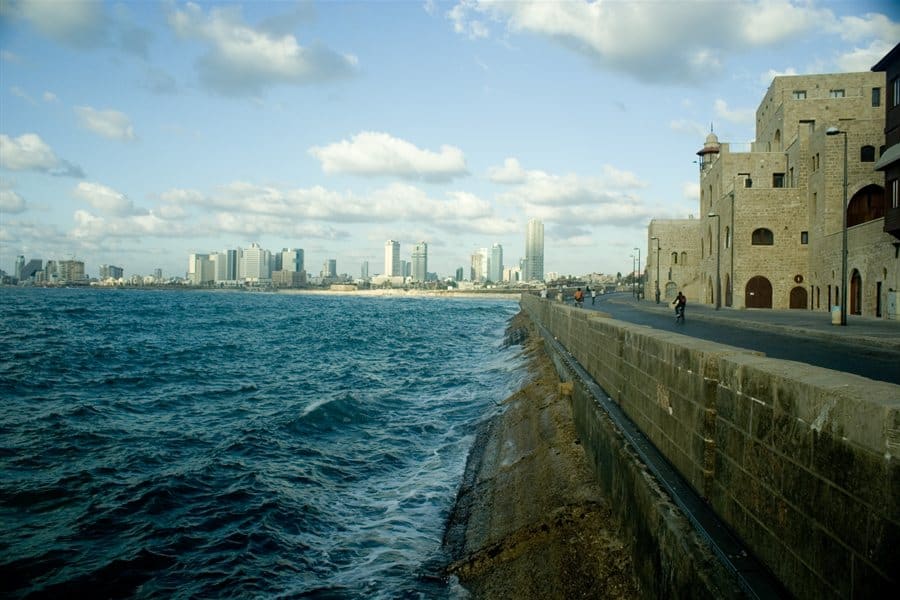
Tel Aviv, Jaffa and the Birth of a Modern City
The flagship historical and architectural walk.
Explore →
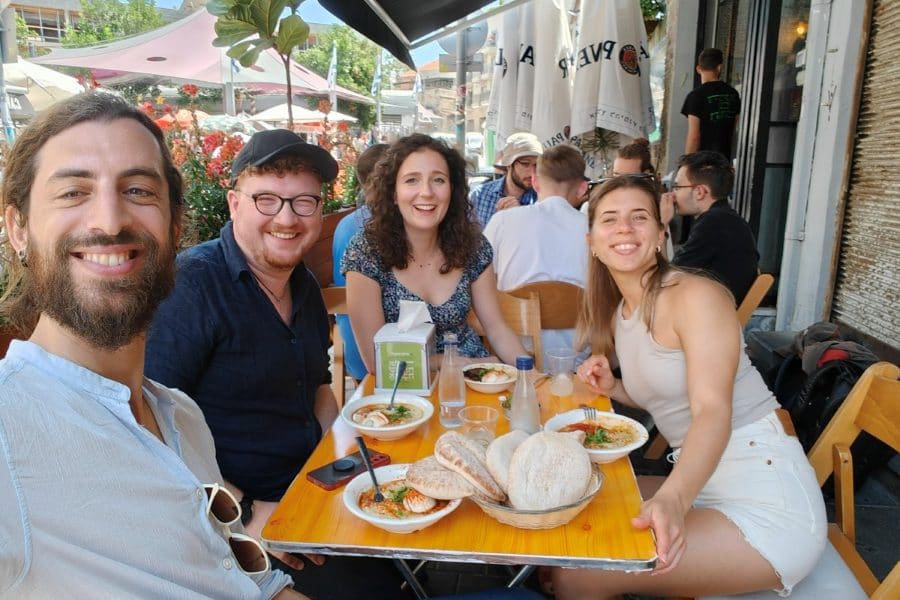
Food, Zionism and Local Life in Tel Aviv
Markets, migration, neighborhoods and the social history behind the food.
Explore →
Contemporary Israel: Society, Politics and Identity
Protest, technology, secular identity and the city behind its image.
Explore →
Who this destination suits
How Ari reads the city: Ari uses streets, buildings and neighborhood boundaries as evidence. The city's Zionist achievement remains visible, while Jaffa's Arab history and the costs of redevelopment are not erased. The tone can be historical, architectural, culinary, political or deliberately mixed.
Good to know: The core Jaffa–Neve Tzedek–Rothschild route works best on foot. Summer heat requires early starts, shade or indoor breaks. Markets, fairs, museums and some food experiences depend on weekday and opening conditions.
Tel Aviv shifts noticeably on Shabbat — see what changes during Shabbat.
Frequently Asked Questions
Can Jaffa and central Tel Aviv fit in one tour?
Yes. They form the strongest connected half-day or extended city route.
Is Tel Aviv really a Bauhaus city?
It has an exceptional concentration of International Style buildings. Bauhaus is useful shorthand, but the local story is broader.
Can we combine history and food?
Yes. Food works best when it illustrates migration, neighborhoods and everyday life.
Is the tour suitable for children?
Yes, especially with shorter explanations, market stops and observation challenges.
Can we discuss 1948 and Arab-Jewish history?
Yes. The subject is included with evidence, context and clear distinctions between fact and interpretation.
Tell Ari whether your group is drawn to history, architecture, food, Jaffa, street culture or contemporary society. He will connect the city around that interest.
Private tour pricing
What this costs
Transport is included for up to 3 adults, or 2 adults + 2 children. For larger groups, ask for a quote.
Optional additions
- Food-tasting tour option in Tel Aviv or Jerusalem